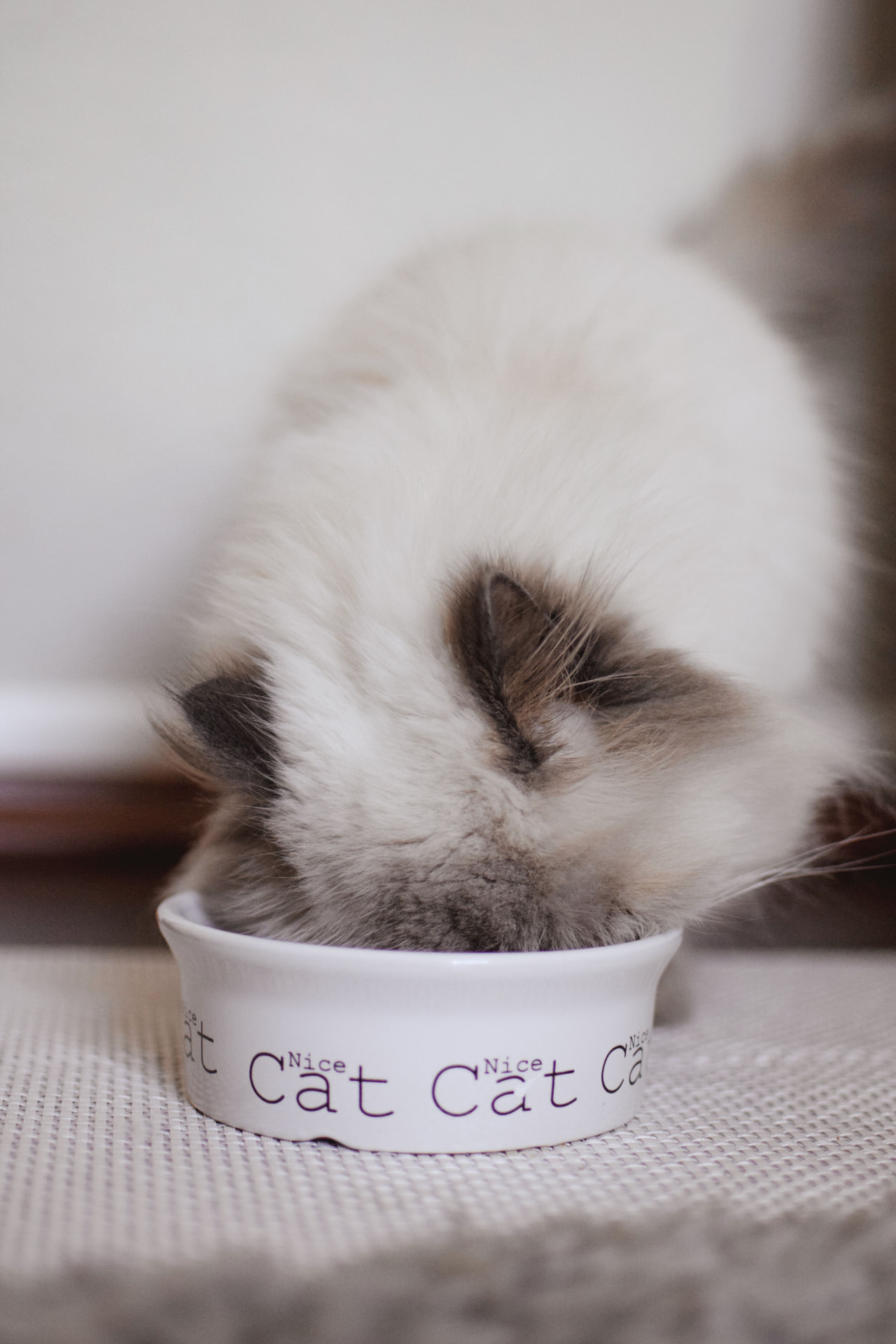
Cat Nutrition
Wet vs. Dry Food for Indoor Cats: Which Is Better?
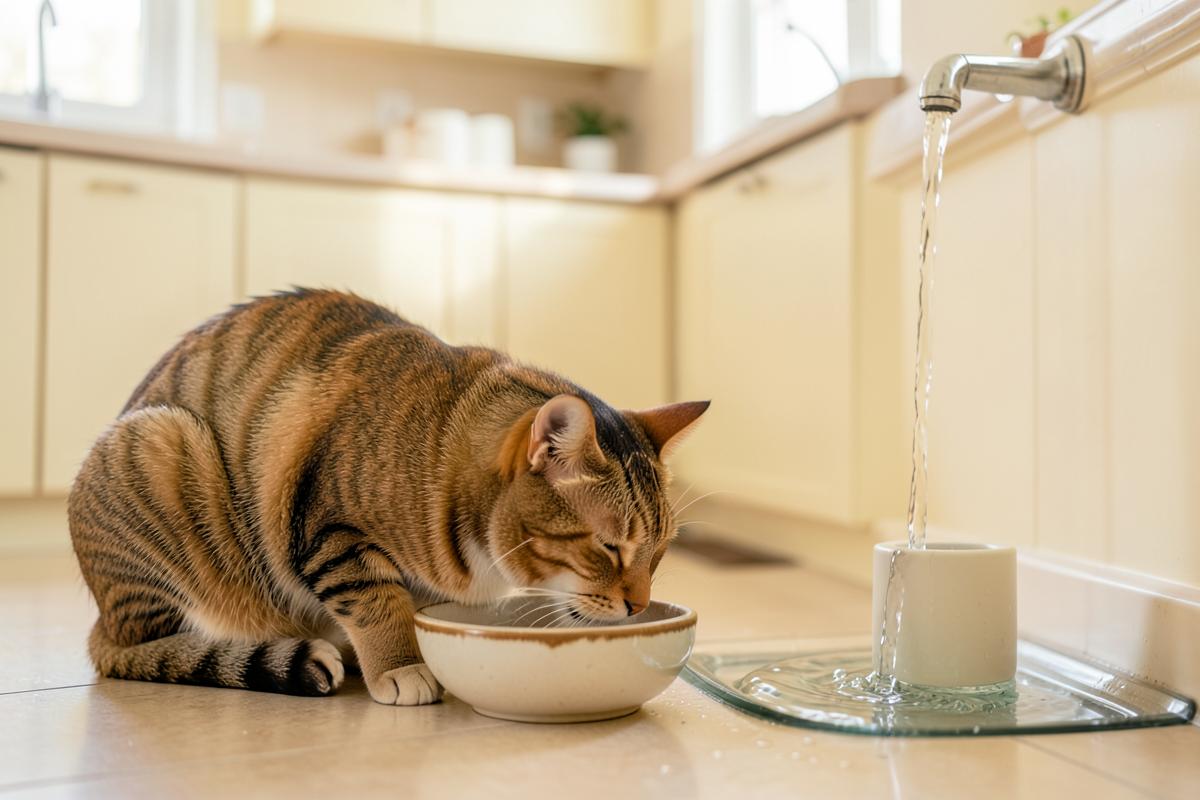
Wet food wins on moisture while dry food wins on convenience. Here's how to choose—or combine them—without losing sight of calories and nutrition.
9 min read
Excess weight is one of the most common health problems in indoor cats, and one of the few that owners can influence directly. It also has to be done slowly: rapid weight loss in cats can trigger serious liver disease.
Start with your vet
Weight loss plans for cats should be set up with a veterinarian. Cats that lose weight too quickly can develop hepatic lipidosis, a serious liver condition. Never crash-diet a cat.
Weight alone means little across different frames. Use a body condition assessment: you should be able to feel the ribs easily under a thin layer of fat, see a waist from above, and see an upward tuck of the belly from the side.
Count treats within the daily allowance, or replace them with a few pieces of the measured ration. Much of what looks like hunger is a request for attention — a play session often satisfies it.
A note on veterinary advice
Health information on this website is for educational purposes and should not replace advice from a qualified veterinarian. If something about your cat has changed, book an appointment rather than waiting to see what happens.
We research, write and update every guide on this site. Our articles are general educational information for cat owners and are reviewed against current guidance from veterinary and feline welfare organisations. Read our editorial policy.
Wet food wins on moisture while dry food wins on convenience. Here's how to choose—or combine them—without losing sight of calories and nutrition.
9 min read
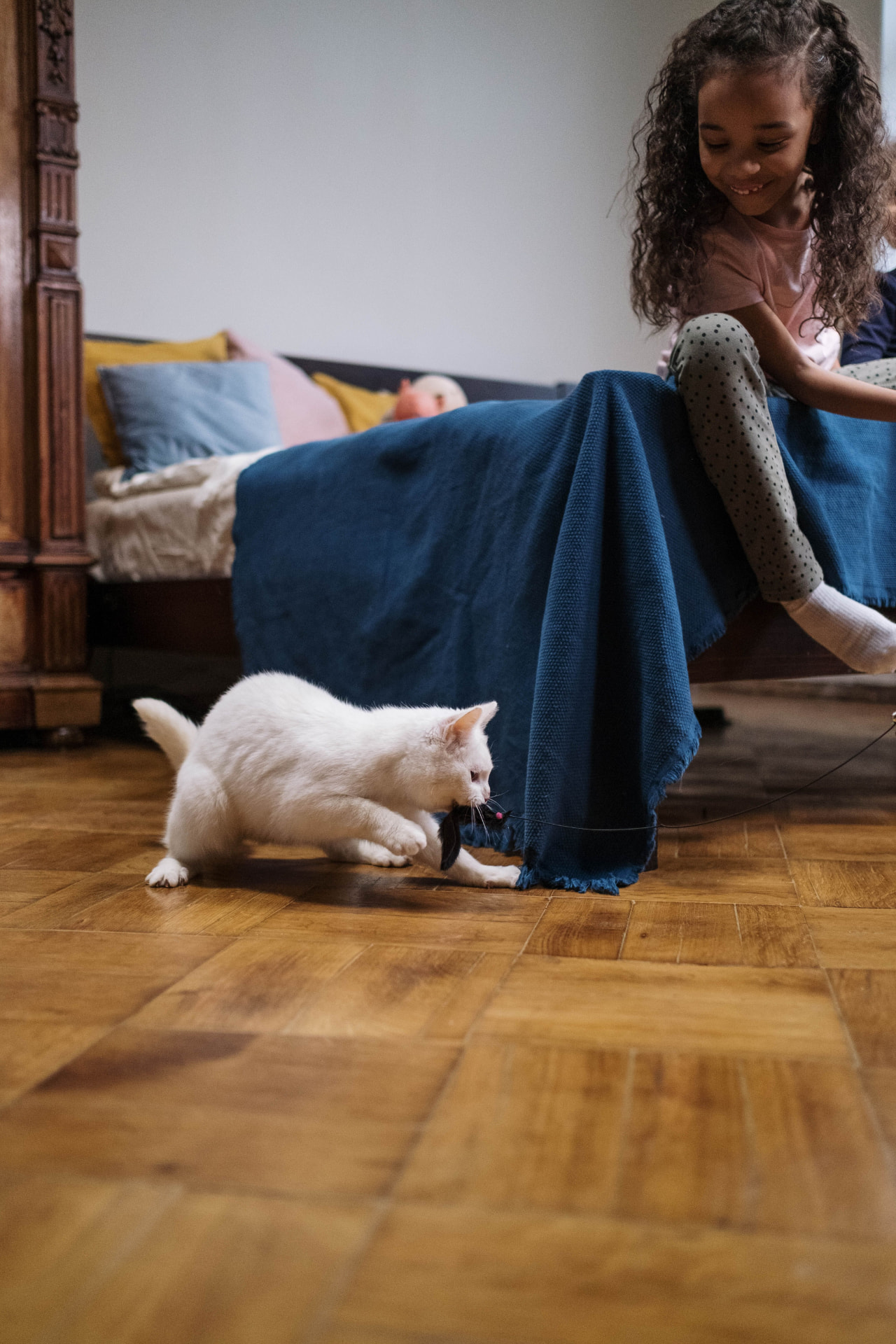
Two or three short play sessions a day is a useful adult-cat starting point, but the right routine depends on the cat rather than the stopwatch.
10 min read
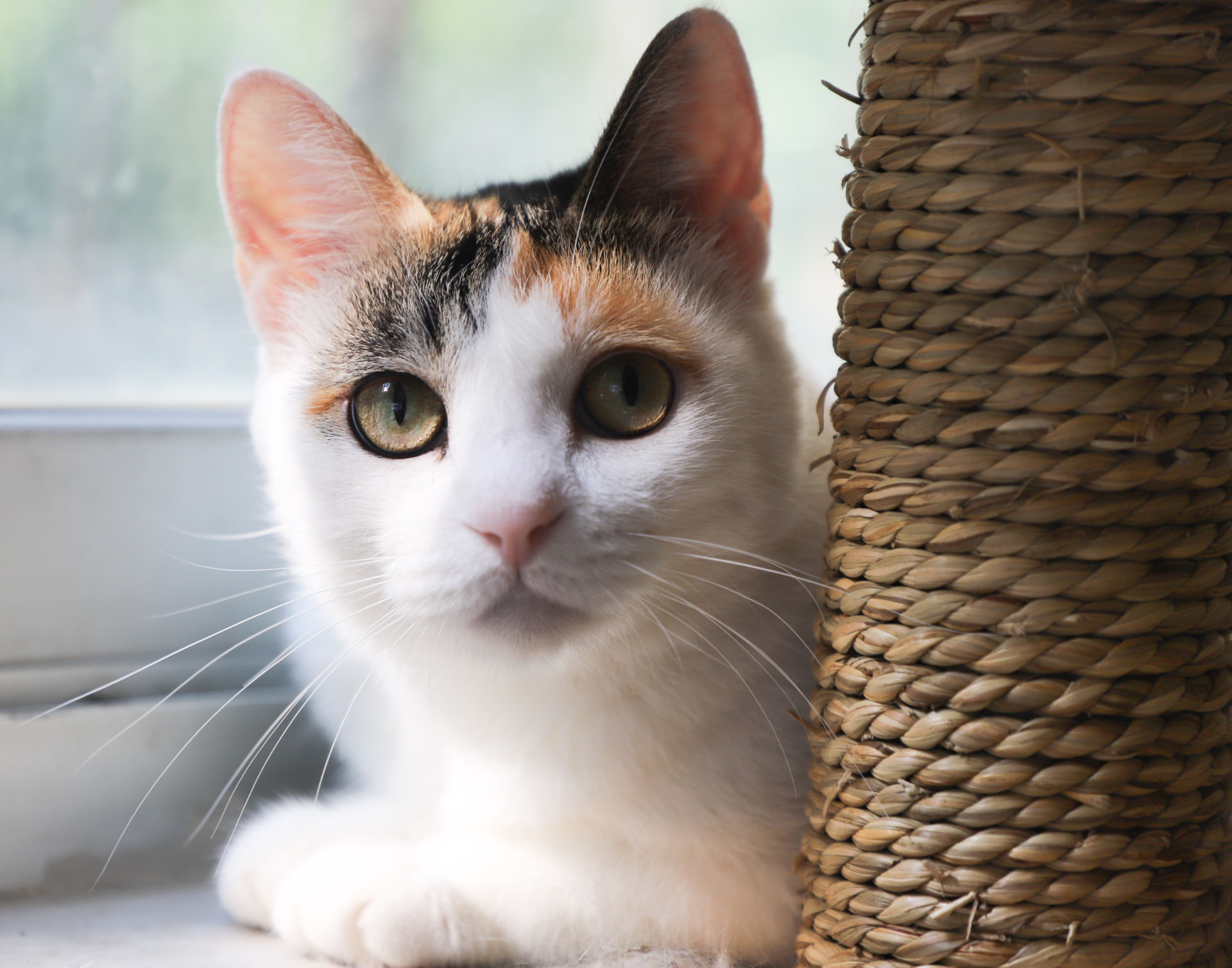
A good indoor life gives cats ways to climb, hide, scratch, stalk, chase, explore, eat and watch—not simply a larger pile of toys.
10 min read
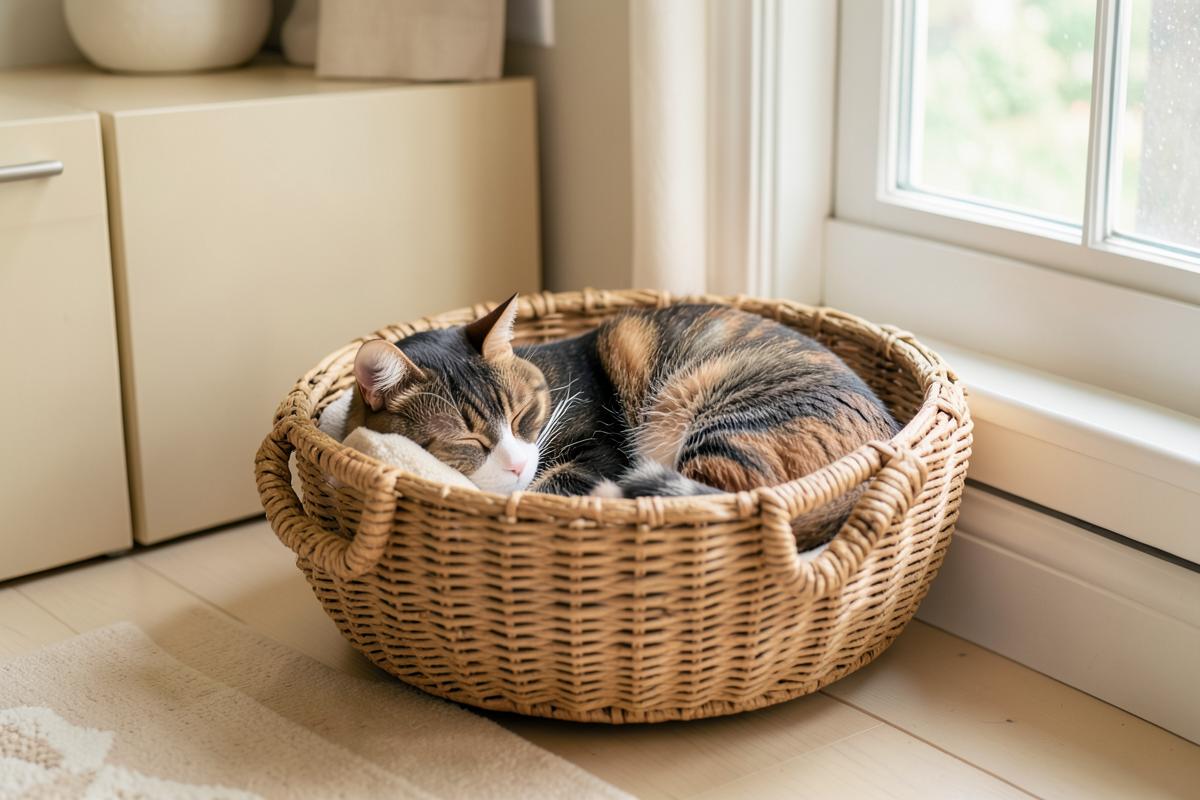
A workable daily schedule for meals, play, litter and quiet time — including how to run it around a nine-to-five.
6 min read
Get practical indoor-cat tips, helpful guides, and product recommendations delivered to your inbox.
A short email now and then. Unsubscribe any time.