Indoor Cat Basics
How Often Should You Play With Your Indoor Cat?
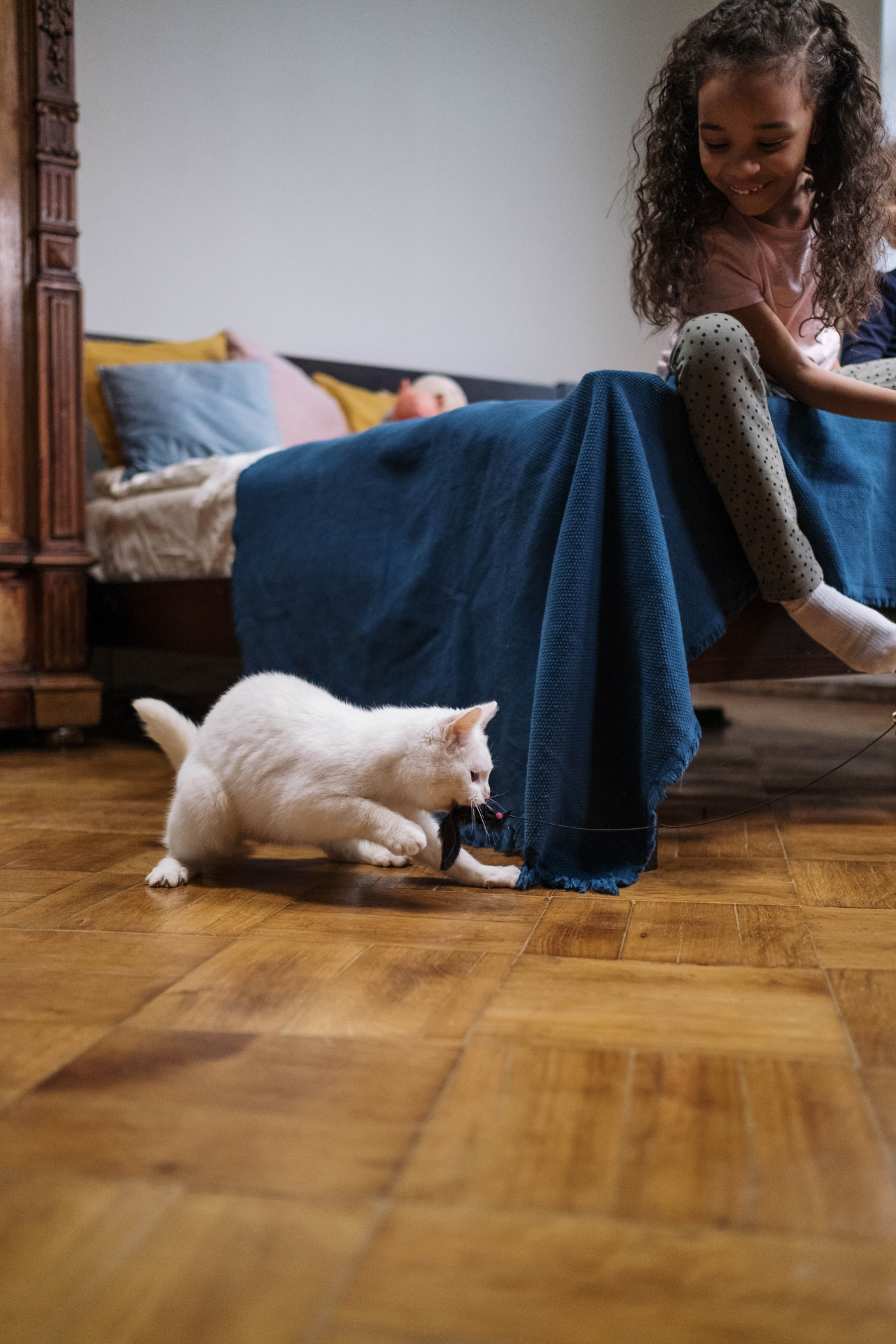
Two or three short play sessions a day is a useful adult-cat starting point, but the right routine depends on the cat rather than the stopwatch.
10 min read
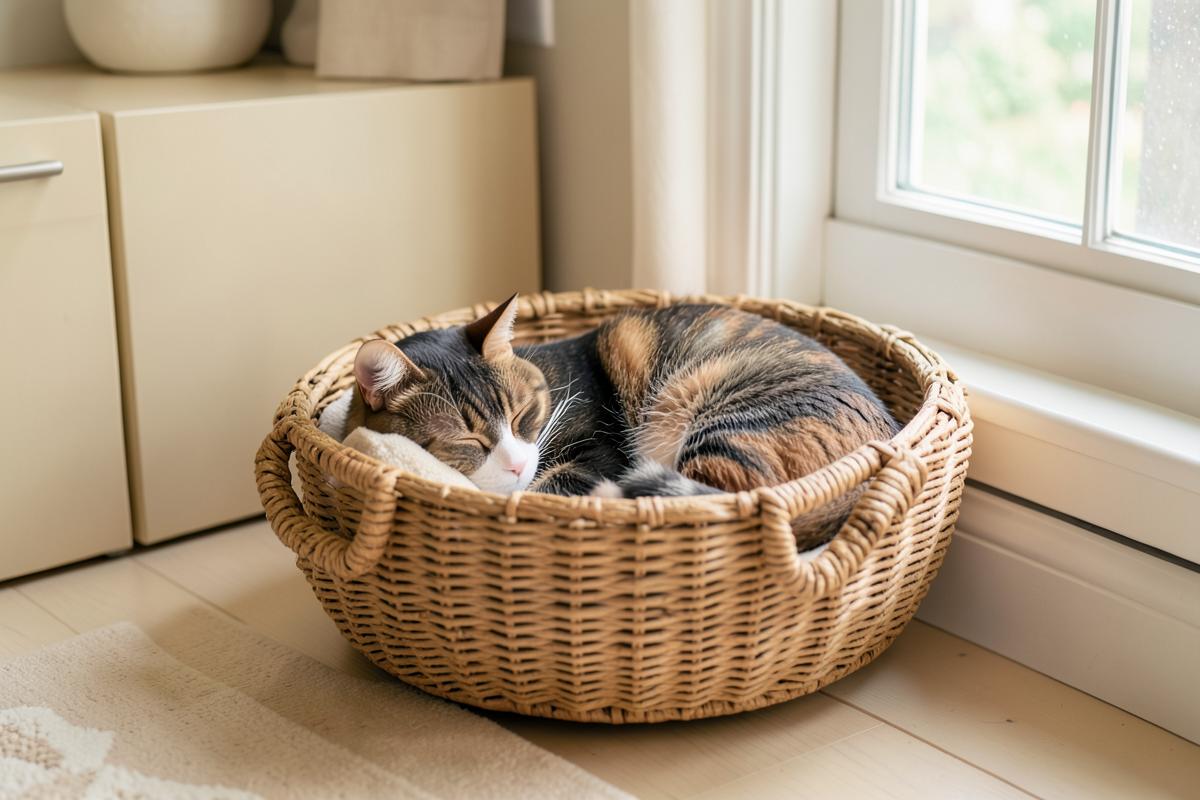
Cats are creatures of routine far more than of variety. A predictable day reduces begging, night waking and anxiety, and it takes less of your time than an unstructured one.
| Time | Activity |
|---|---|
| Morning | Short play session, then breakfast; scoop the litter box |
| Before leaving | Refresh water, set out a puzzle feeder portion |
| Midday | Cat's own time — sleeping, window watching |
| Evening | Longest play session, then dinner |
| Before bed | Brief second play, final small meal, scoop litter |
Play before food mirrors hunt-then-eat, and cats settle more readily afterwards. Feeding first tends to produce a cat that eats and then wants to hunt at 3am.
Consistency beats duration
Ten minutes at the same time every evening does more for a cat's behaviour than an hour at random once a week.
We research, write and update every guide on this site. Our articles are general educational information for cat owners and are reviewed against current guidance from veterinary and feline welfare organisations. Read our editorial policy.
Two or three short play sessions a day is a useful adult-cat starting point, but the right routine depends on the cat rather than the stopwatch.
10 min read

A good indoor life gives cats ways to climb, hide, scratch, stalk, chase, explore, eat and watch—not simply a larger pile of toys.
10 min read
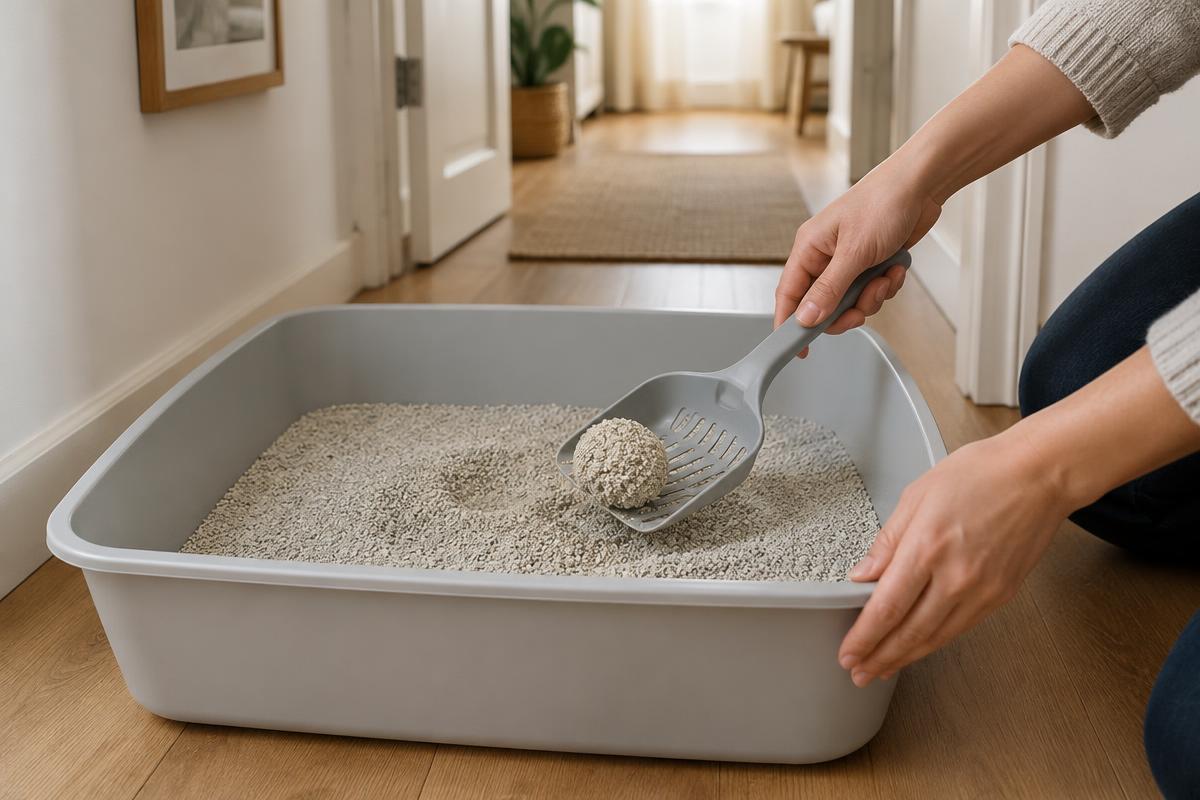
A practical guide to daily scooping, litter changes, full washes, and the signs your cat’s box needs attention sooner.
12 min read
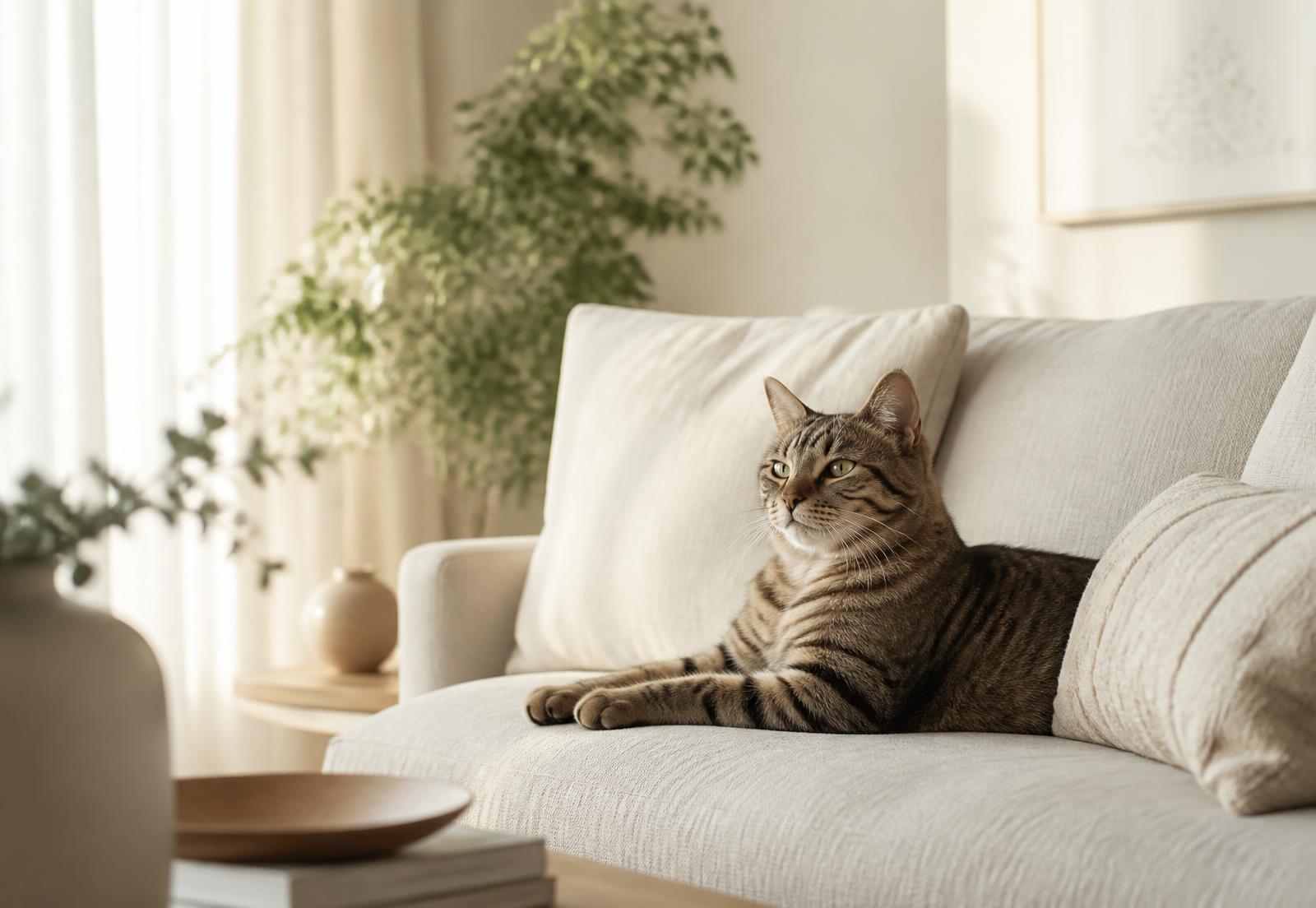
The full picture for a first indoor cat — how to set up the home, what to feed, how much play a day really takes, and the small routines that prevent most problems.
11 min read
Get practical indoor-cat tips, helpful guides, and product recommendations delivered to your inbox.
A short email now and then. Unsubscribe any time.