Indoor Cat Basics
Indoor Cat Daily Routine: A Practical Guide
A workable daily schedule for meals, play, litter and quiet time — including how to run it around a nine-to-five.
6 min read
An indoor cat is safer from traffic, disease and predators, and generally lives longer. The trade-off is that everything a cat would normally find outside — height, texture, novelty, hunting, territory — now has to exist inside your home. This guide walks through how to provide it without turning your living room into a cattery.
Cats are not low-maintenance versions of dogs. They are solitary hunters that sleep in short bursts, patrol a territory, and rely on predictable resources. Indoors, five needs cover almost everything:
The fastest improvement
If you only change one thing this week, add a tall vertical perch near a window. Height and a view outside do more for an indoor cat's day than almost any toy.
Spread resources out. A cat that has to eat next to its litter box, or drink where a dog passes, will use those resources less. In a one-bedroom flat that can mean food in the kitchen, water in the living room, and litter in the bathroom.
| Resource | Where it works | Common mistake |
|---|---|---|
| Litter box | Quiet corner with two exits in sight | Tucked inside a closed cupboard |
| Food | Away from litter and loud appliances | Beside the washing machine |
| Water | Several spots, away from food | One bowl next to the food bowl |
| Resting | High, warm, low traffic | Only floor-level beds |
Indoor cats burn fewer calories than outdoor cats, so portions matter more than they used to. Measure food rather than free-pouring, split it into two to four meals, and treat treats as part of the daily total. Wet food adds water to the diet, which is useful for a species that evolved to get most of its moisture from prey.
The standard guidance is one box per cat plus one spare, scooped at least once a day and fully emptied and washed regularly. Most litter box problems come from a box that is too small, too dirty, or in the wrong place — and a cat that suddenly stops using a clean box needs a veterinary check, not a scolding.
Two to three short wand-toy sessions a day, about ten minutes each, cover most cats. End each session with a catch and a small meal so the sequence finishes the way a hunt does. Rotate toys weekly rather than leaving everything out — novelty is most of the value.
Brush short-haired cats weekly and long-haired cats daily, check nails every couple of weeks, and get a baseline vet visit so future changes have something to be compared against. Weigh your cat monthly; weight drifts slowly enough that you will not notice it by eye.
A note on veterinary advice
Health information on this website is for educational purposes and should not replace advice from a qualified veterinarian. If something about your cat has changed, book an appointment rather than waiting to see what happens.
We research, write and update every guide on this site. Our articles are general educational information for cat owners and are reviewed against current guidance from veterinary and feline welfare organisations. Read our editorial policy.
A workable daily schedule for meals, play, litter and quiet time — including how to run it around a nine-to-five.
6 min read
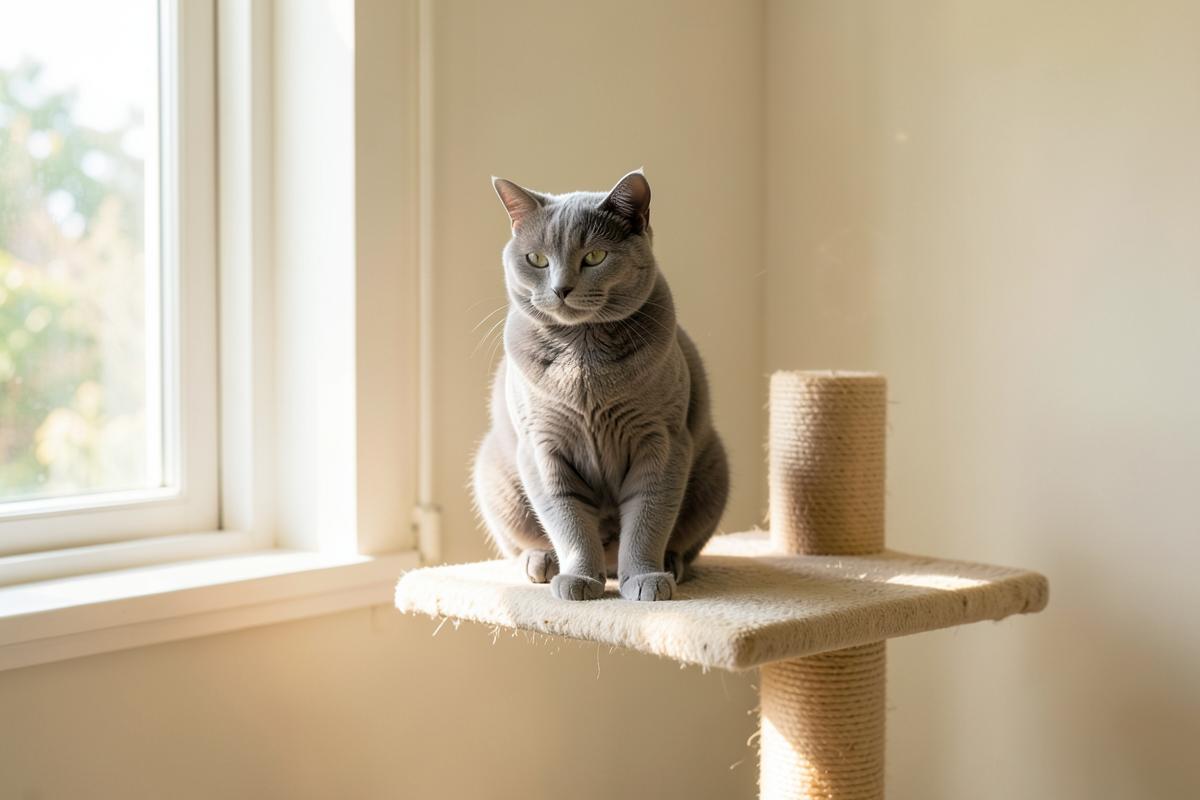
A room-by-room plan for laying out height, hiding places, resources and safe zones — without redecorating your home around a cat.
9 min read
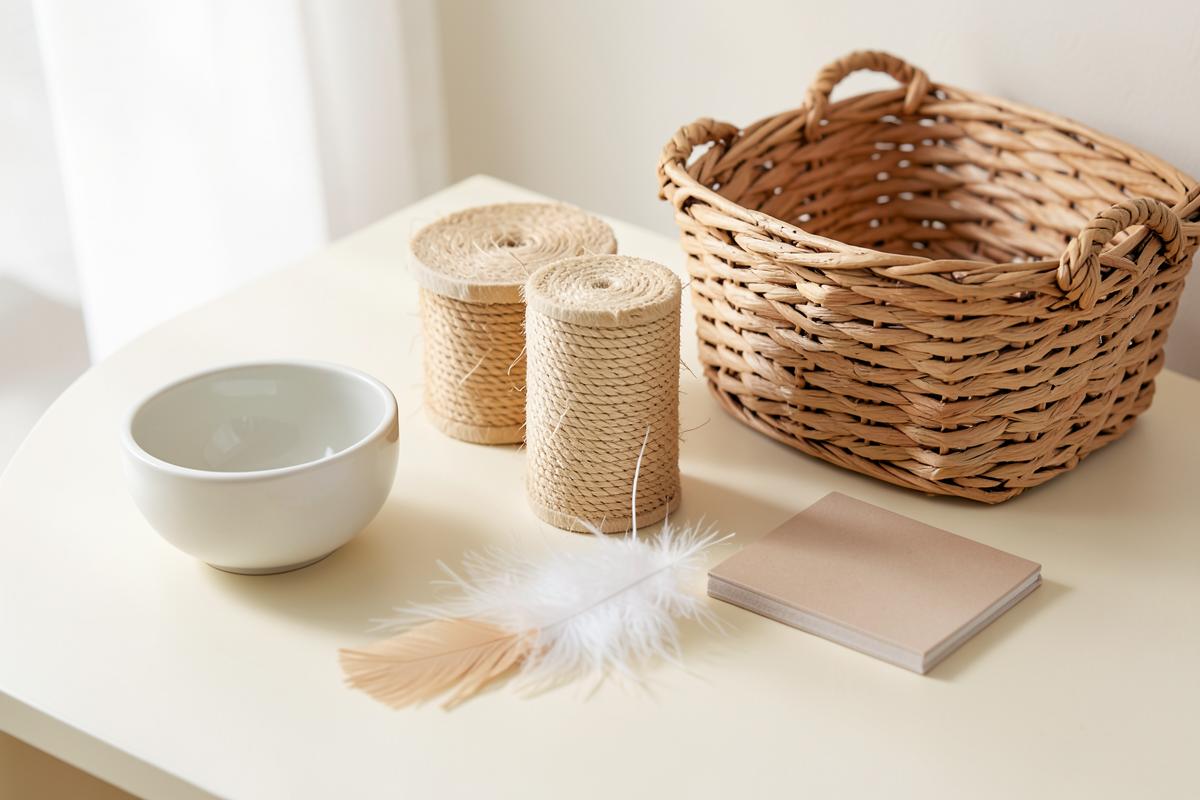
What you genuinely need before a cat arrives, what can wait, and what most new owners buy and never use.
6 min read
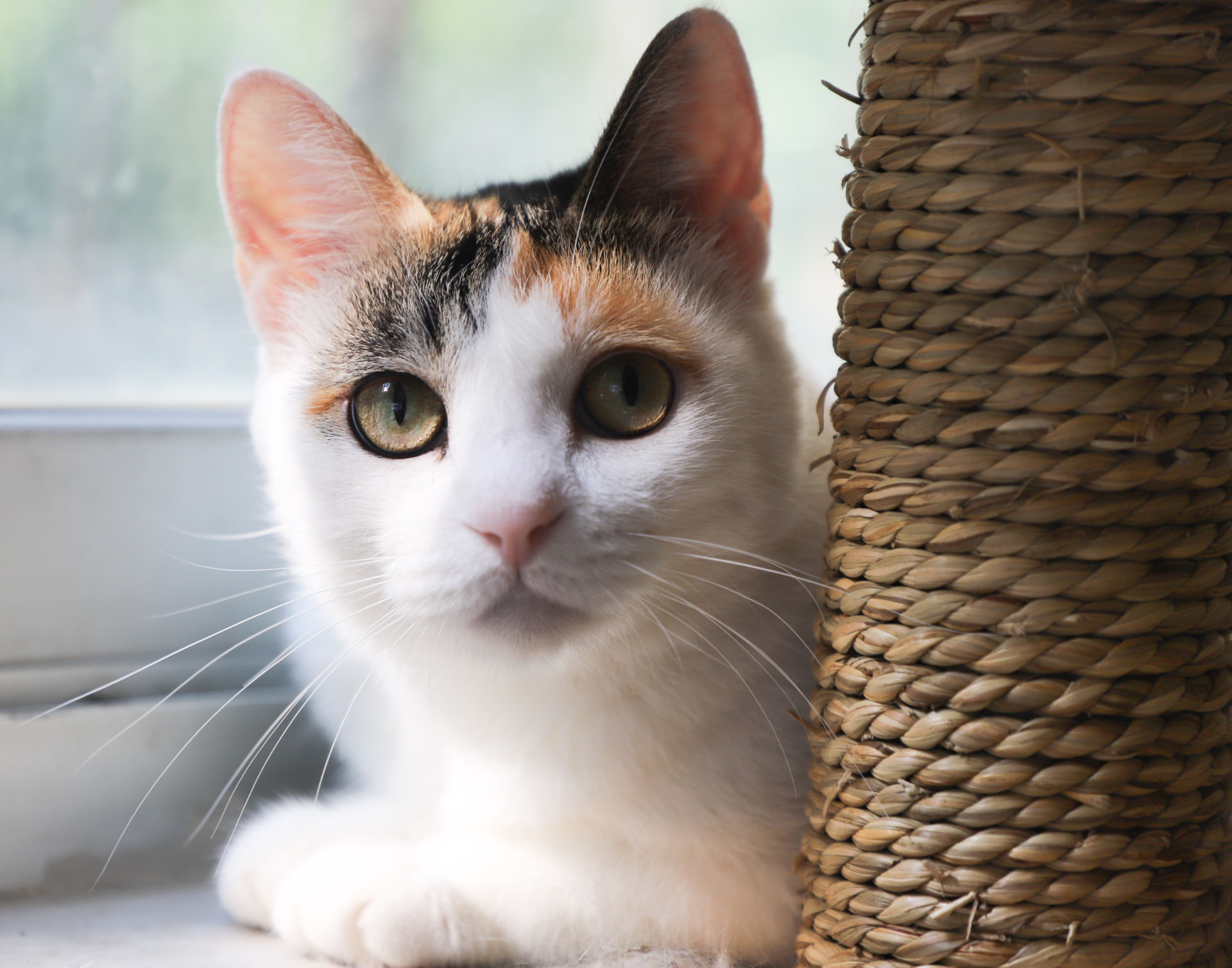
A good indoor life gives cats ways to climb, hide, scratch, stalk, chase, explore, eat and watch—not simply a larger pile of toys.
10 min read
Get practical indoor-cat tips, helpful guides, and product recommendations delivered to your inbox.
A short email now and then. Unsubscribe any time.