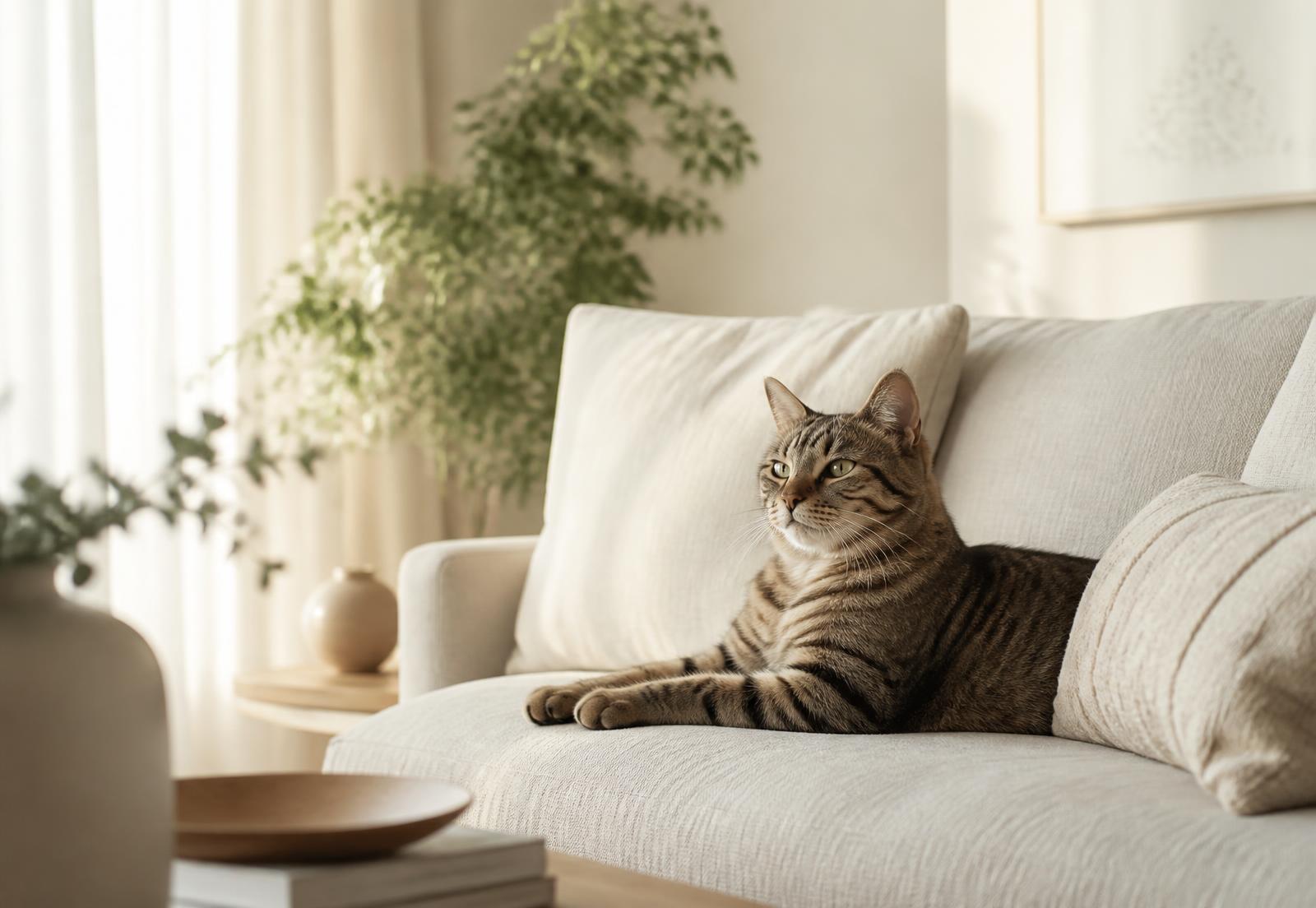
Indoor Cat Basics
Indoor Cat Care: The Complete Beginner's Guide
The full picture for a first indoor cat — how to set up the home, what to feed, how much play a day really takes, and the small routines that prevent most problems.
11 min read
Good cat environments follow a pattern: multiple resource stations, a climbing route, several hiding options and a low-traffic retreat. Here is how to apply that to an ordinary home.
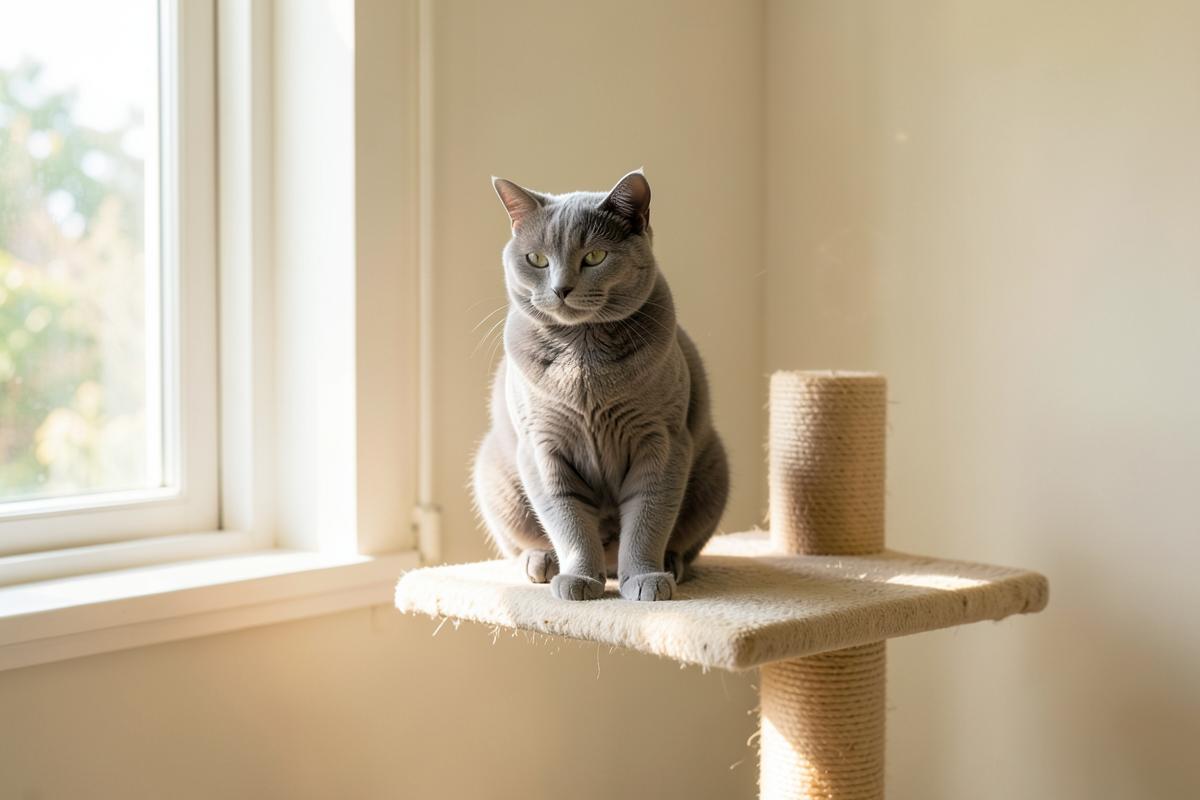
Feline environmental needs are usually described as: a safe place; multiple, separated key resources; opportunity for play and predatory behaviour; positive human interaction; and respect for a cat's sense of smell. Every decision below traces back to one of those.
| Number of cats | Litter boxes | Feeding stations | Water points |
|---|---|---|---|
| 1 | 2 | 1–2 | 2+ |
| 2 | 3 | 2 separated | 3+ |
| 3 | 4 | 3 separated | 4+ |
Every cat needs somewhere it cannot be reached — a covered bed, a shelf behind a door, the space under a bed left clear. Hiding is a coping mechanism, not a problem to design out.
Check plants before buying
Lilies are seriously toxic to cats, including the pollen and the vase water. Verify any new houseplant against a reputable toxic plant list before it comes home.
We research, write and update every guide on this site. Our articles are general educational information for cat owners and are reviewed against current guidance from veterinary and feline welfare organisations. Read our editorial policy.
The full picture for a first indoor cat — how to set up the home, what to feed, how much play a day really takes, and the small routines that prevent most problems.
11 min read
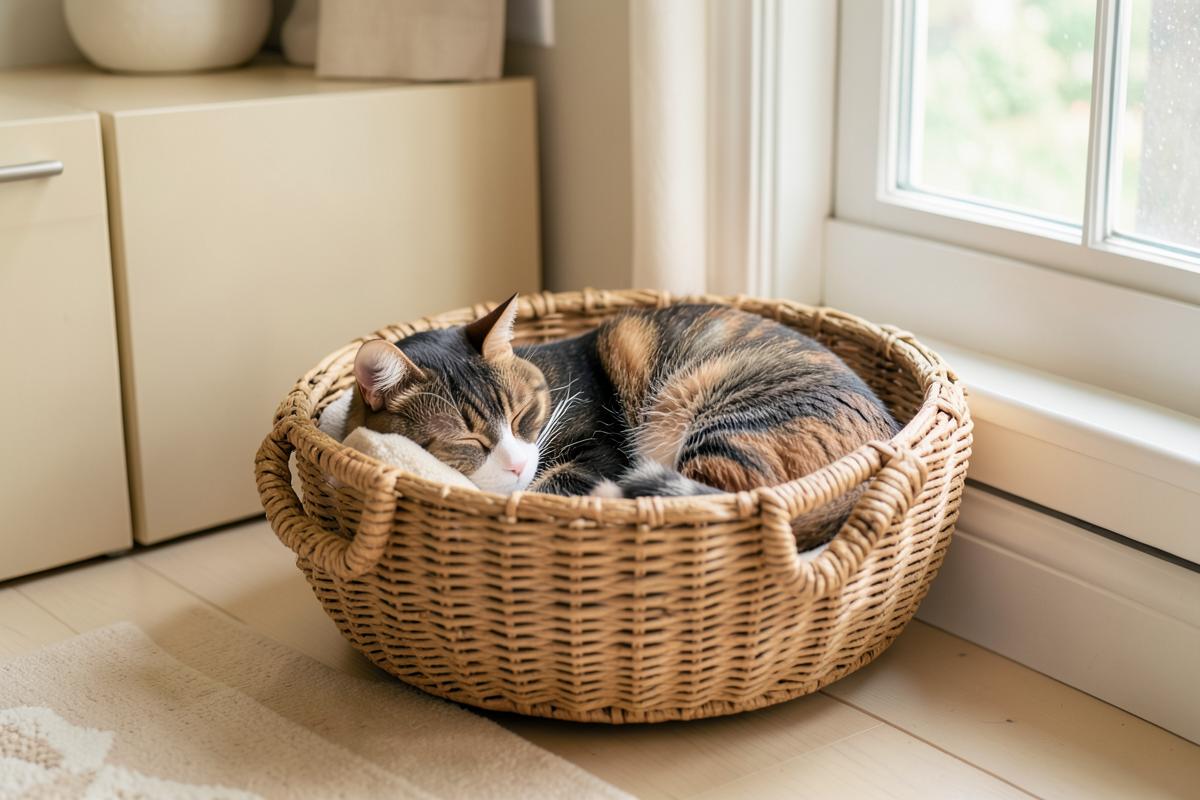
Enrichment sorted into five types, so you can see which ones your cat's day is missing rather than buying another toy.
8 min read
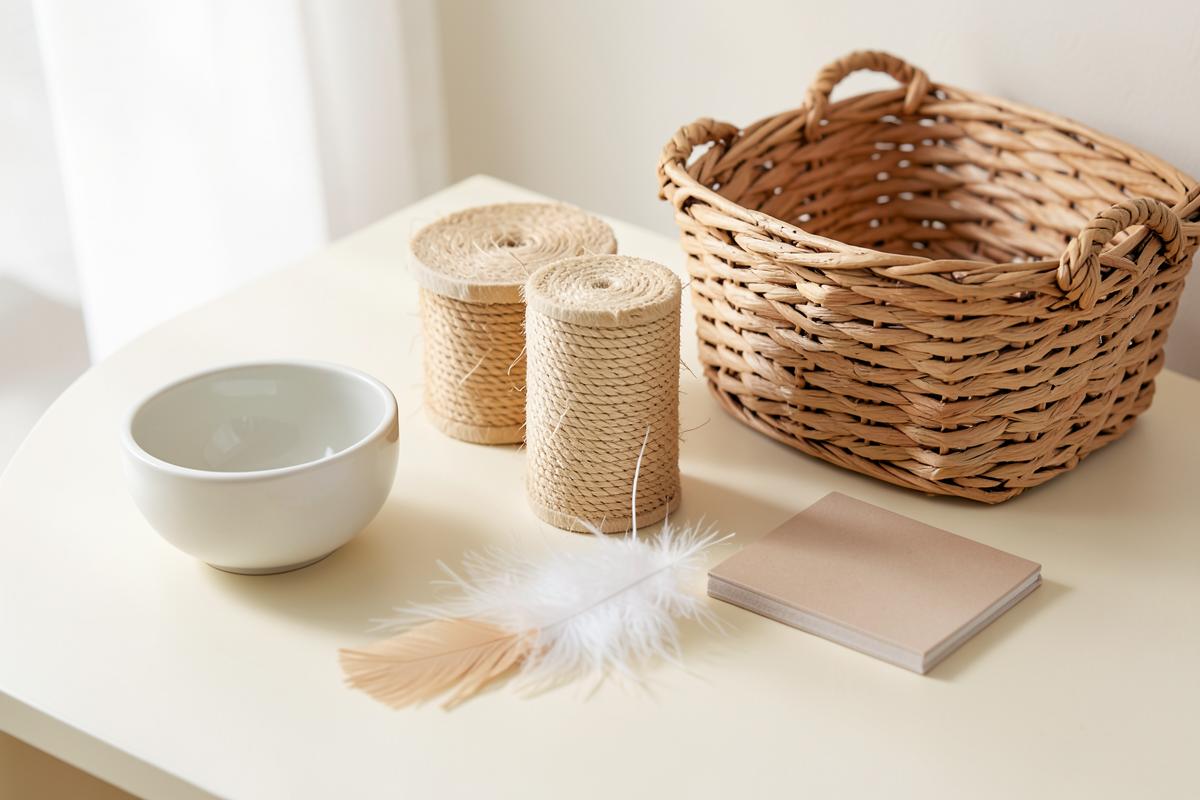
Four cat trees compared on the things that matter after assembly: stability, usable perch space, scratching surfaces, construction, repairability and price.
11 min read
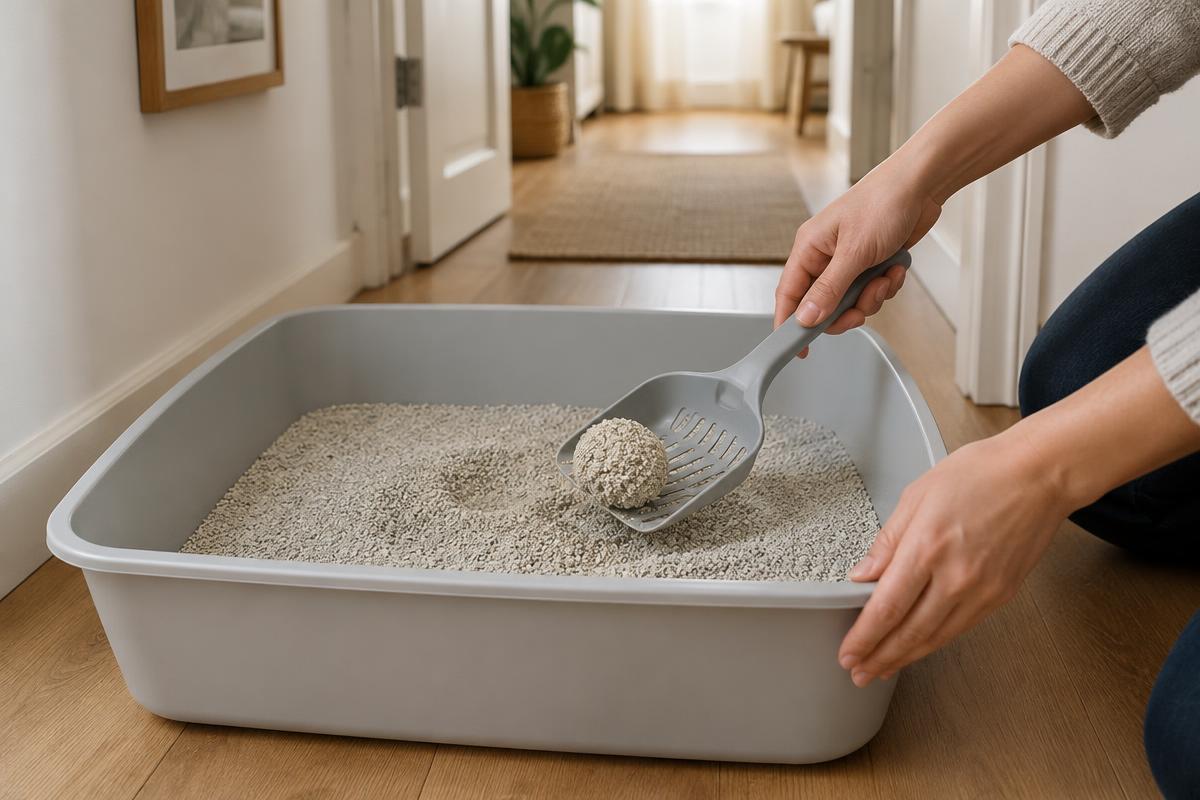
A practical guide to daily scooping, litter changes, full washes, and the signs your cat’s box needs attention sooner.
12 min read
Get practical indoor-cat tips, helpful guides, and product recommendations delivered to your inbox.
A short email now and then. Unsubscribe any time.