Litter boxes
How to Choose a Litter Box for an Indoor Cat (Buying Guide)
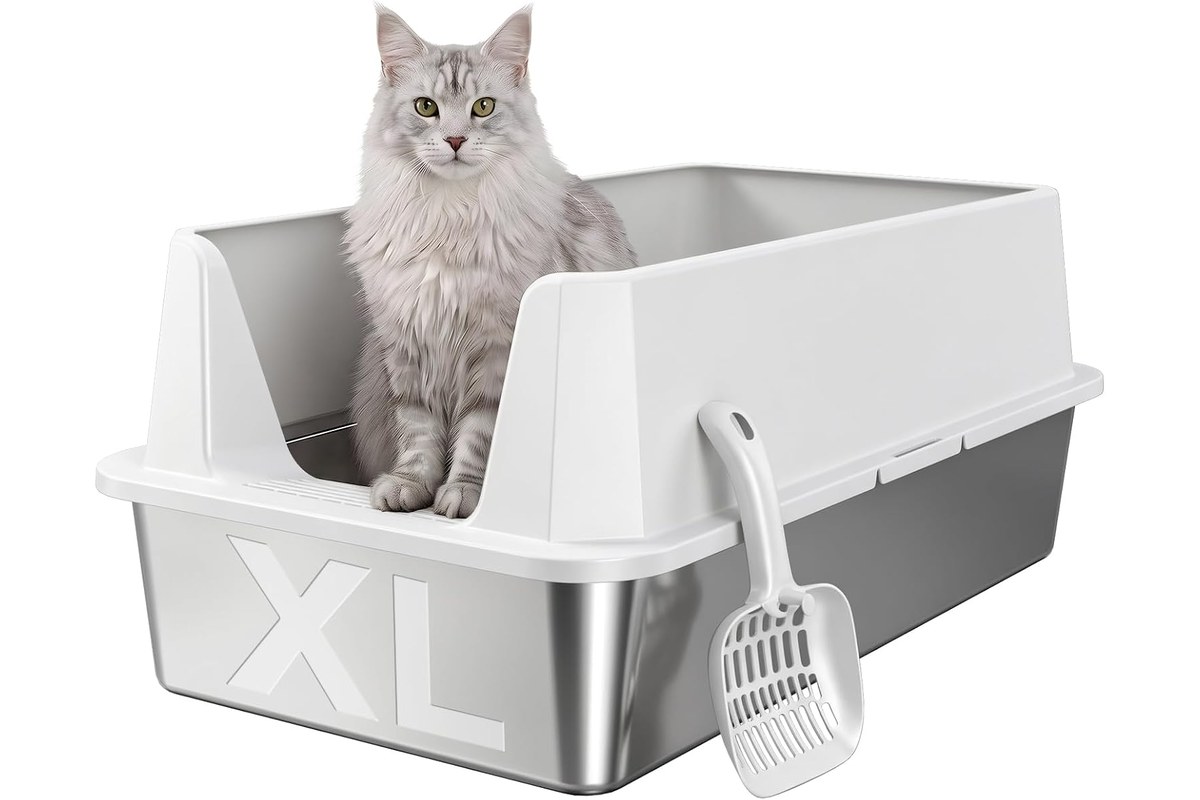
Litter box trouble is the most common reason cats end up rehomed, and the box itself is often the cause. Cats want a big, clean, open tray in a quiet spot — and one more tray than there are cats in the home.
Check Price on Amazon
Affiliate link — as an Amazon Associate we may earn from qualifying purchases, at no extra cost to you. See our affiliate disclosure.
What to look for
- Length, not footprint marketing
- The tray should be at least one and a half times your cat's body length from nose to base of tail. Most boxes sold as 'large' are still too small for an adult cat.
- Low entry, high back
- An entry side around 10–15 cm suits kittens and older cats with stiff joints, while taller back and side walls contain enthusiastic diggers.
- Smooth, non-porous plastic
- Scratched or porous trays hold odour no matter how often you scoop. Plan to replace a plastic tray every year or two.
- Open rather than hooded
- Covers trap smell inside for the cat and give no escape route if another cat blocks the doorway. If you want a cover for splashing, choose one with a removable lid.
What to avoid
- Automatic boxes for nervous cats — the motor noise puts many off.
- Boxes with a narrow doorway or a swinging flap.
- Placing the box beside the food bowls, a washing machine or in a dead-end corner.
Getting it right at home
- One box per cat plus one, in different rooms.
- Scoop at least twice a day; full change and wash weekly.
- Unscented clumping litter at a depth of about 5 cm suits most cats.
- Wash with hot water and mild soap, never ammonia-based cleaners.
Check Price on Amazon
Affiliate link — as an Amazon Associate we may earn from qualifying purchases, at no extra cost to you. See our affiliate disclosure.
Frequently asked questions
- How many litter boxes do I need?
- One per cat plus one spare, placed in separate locations. Two boxes side by side count as one to a cat.
- Is a covered box ever a good idea?
- Only for a confident single cat who uses it happily. If there is any house-soiling problem, take the lid off first — it is the cheapest fix there is.
- My cat has started going outside the box.
- Treat it as a health problem until proven otherwise and speak to a veterinarian, especially with a male cat who is straining. Once medical causes are ruled out, look at box size, cleanliness and location.
Read next
Other buying guides
Better Cat Care, Delivered
Get practical indoor-cat tips, helpful guides, and product recommendations delivered to your inbox.
A short email now and then. Unsubscribe any time.