Cat Health
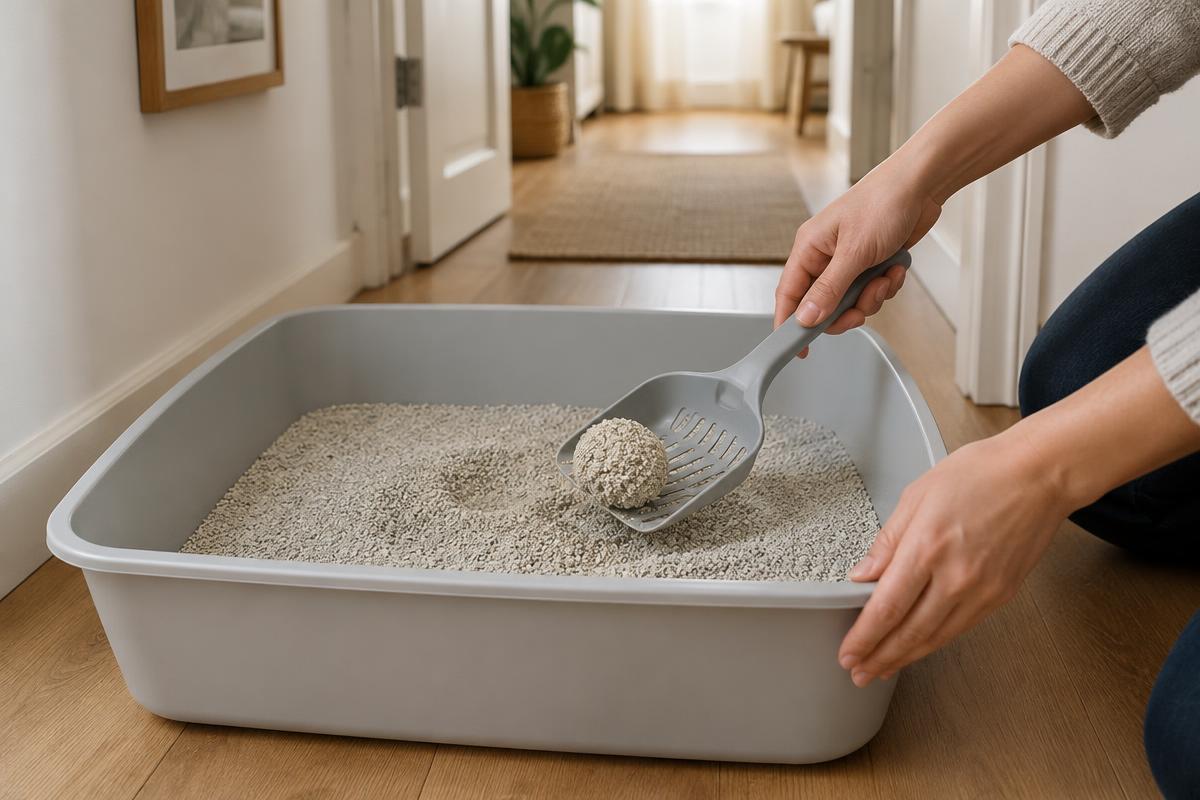
How Often Should You Clean a Cat Litter Box?
A practical guide to daily scooping, litter changes, full washes, and the signs your cat’s box needs attention sooner.
12 min read
Cats conceal illness. The point of a home check is not diagnosis — it is building a baseline so you notice when something shifts.
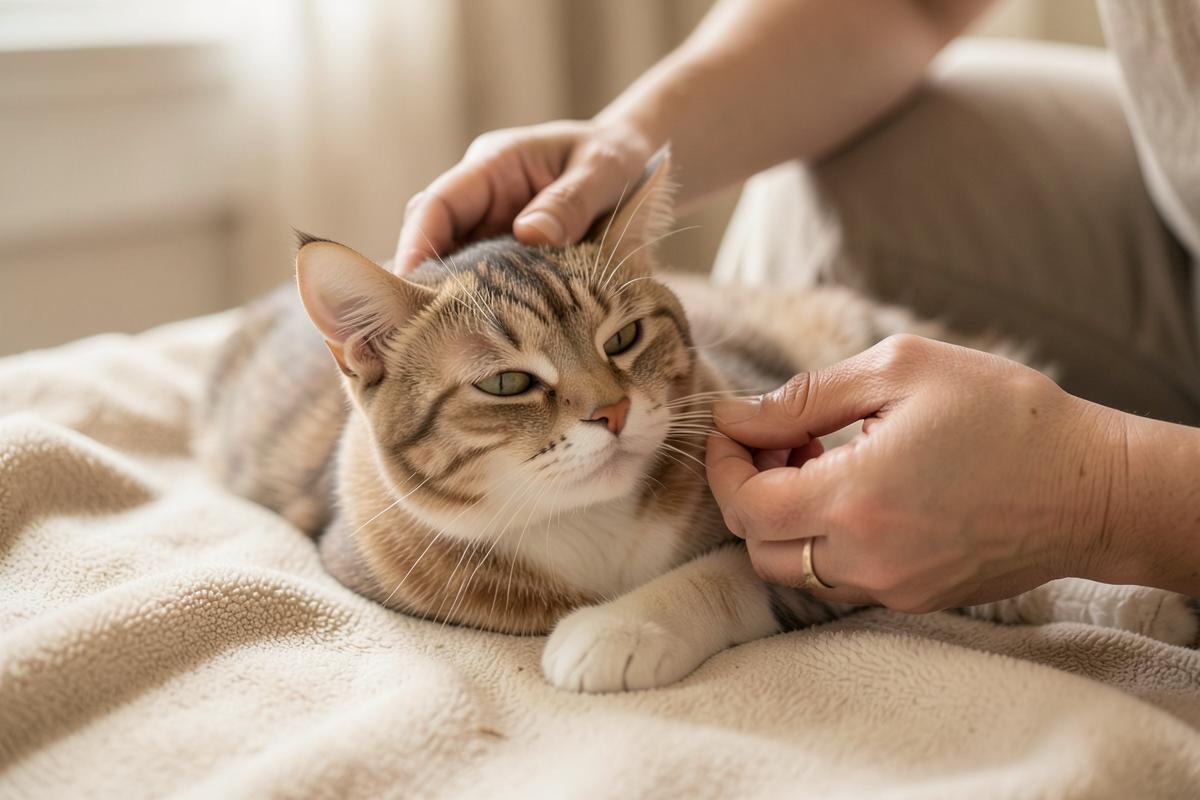
Normal water intake, food intake, sleeping spots and activity vary a lot between cats. What matters is the deviation from your cat's own pattern.
Educational information only
This list is not a diagnostic tool. Health information on this website is for educational purposes and should not replace advice from a qualified veterinarian.
A note on your phone with monthly weight, vaccination and preventive treatment dates, and any change you noticed gives your vet far better information than memory does.
We research, write and update every guide on this site. Our articles are general educational information for cat owners and are reviewed against current guidance from veterinary and feline welfare organisations. Read our editorial policy.
A practical guide to daily scooping, litter changes, full washes, and the signs your cat’s box needs attention sooner.
12 min read
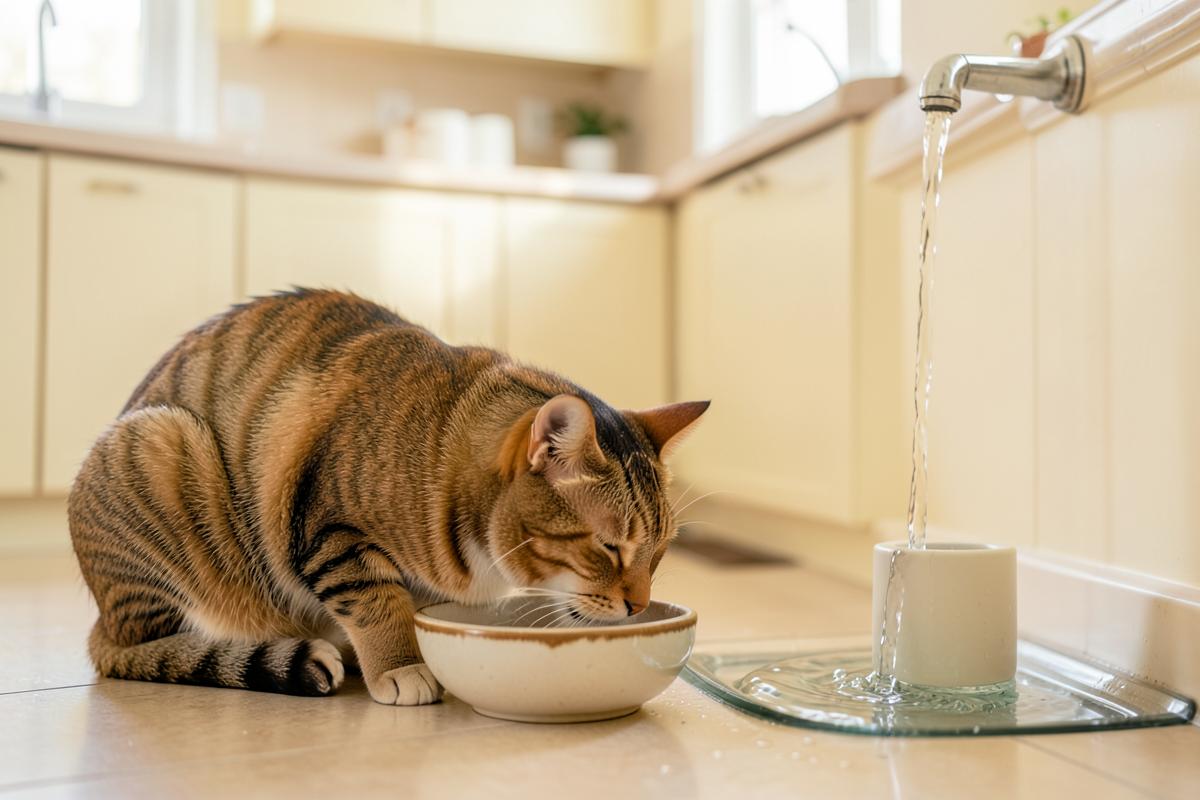
Why indoor cats gain weight, how to assess body condition at home, and how to lose it slowly and safely with veterinary oversight.
8 min read
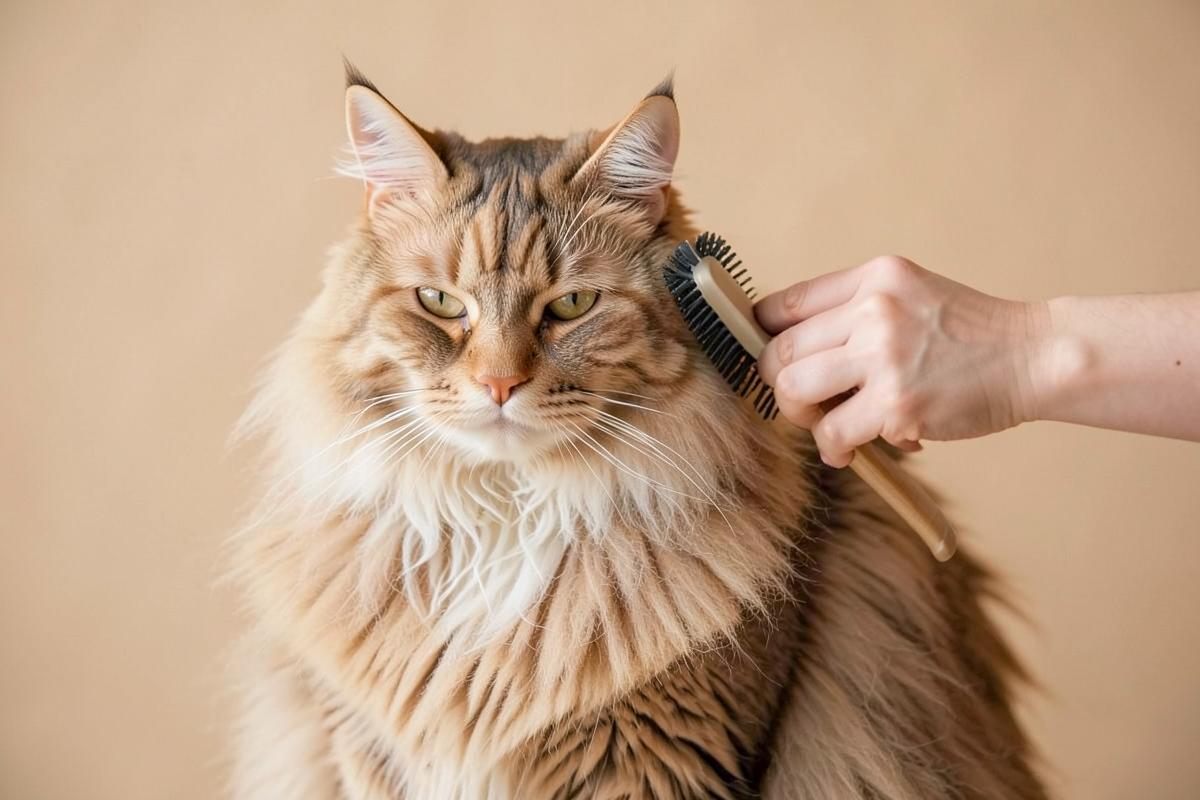
Brushing frequency by coat length, the right tool for each, and how to build the habit with a cat that would rather not.
6 min read

The full picture for a first indoor cat — how to set up the home, what to feed, how much play a day really takes, and the small routines that prevent most problems.
11 min read
Get practical indoor-cat tips, helpful guides, and product recommendations delivered to your inbox.
A short email now and then. Unsubscribe any time.