Cat Behavior
Why Is My Indoor Cat Scratching Everything?
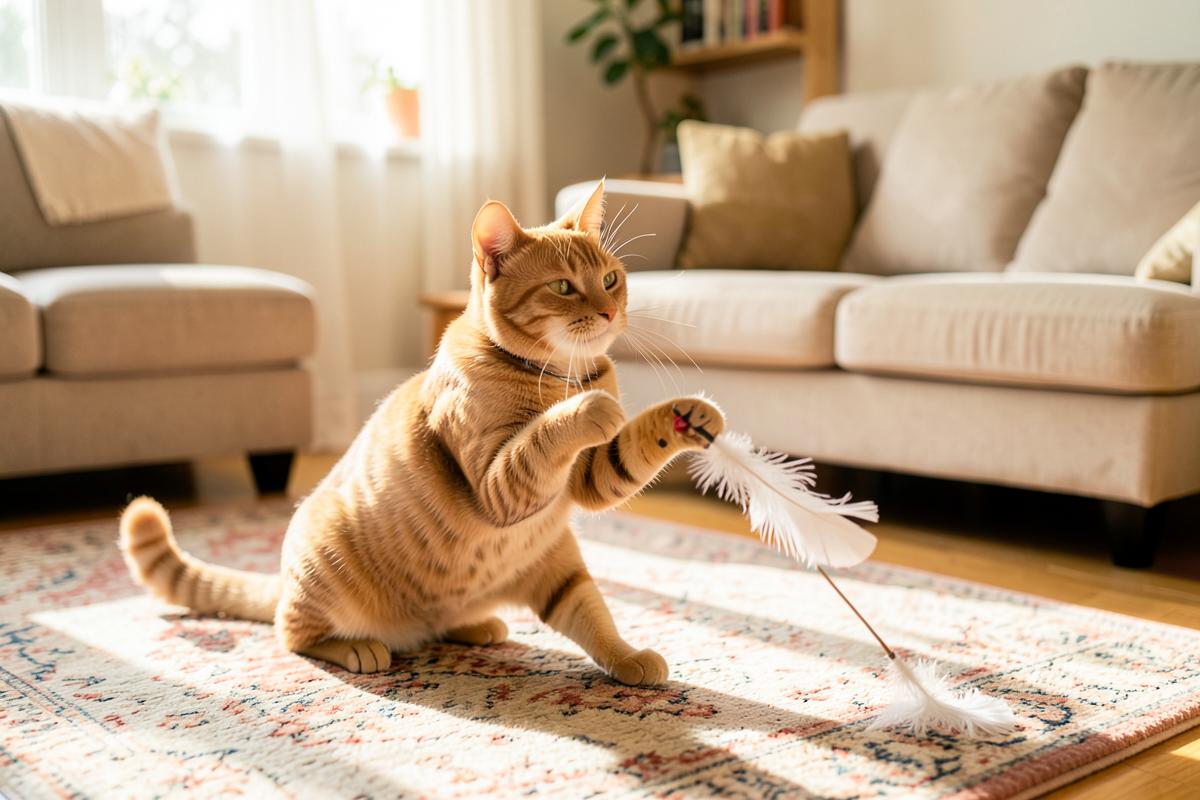
Scratching is maintenance and communication, not spite. Here is how to move it off the sofa and onto something you chose.
7 min read
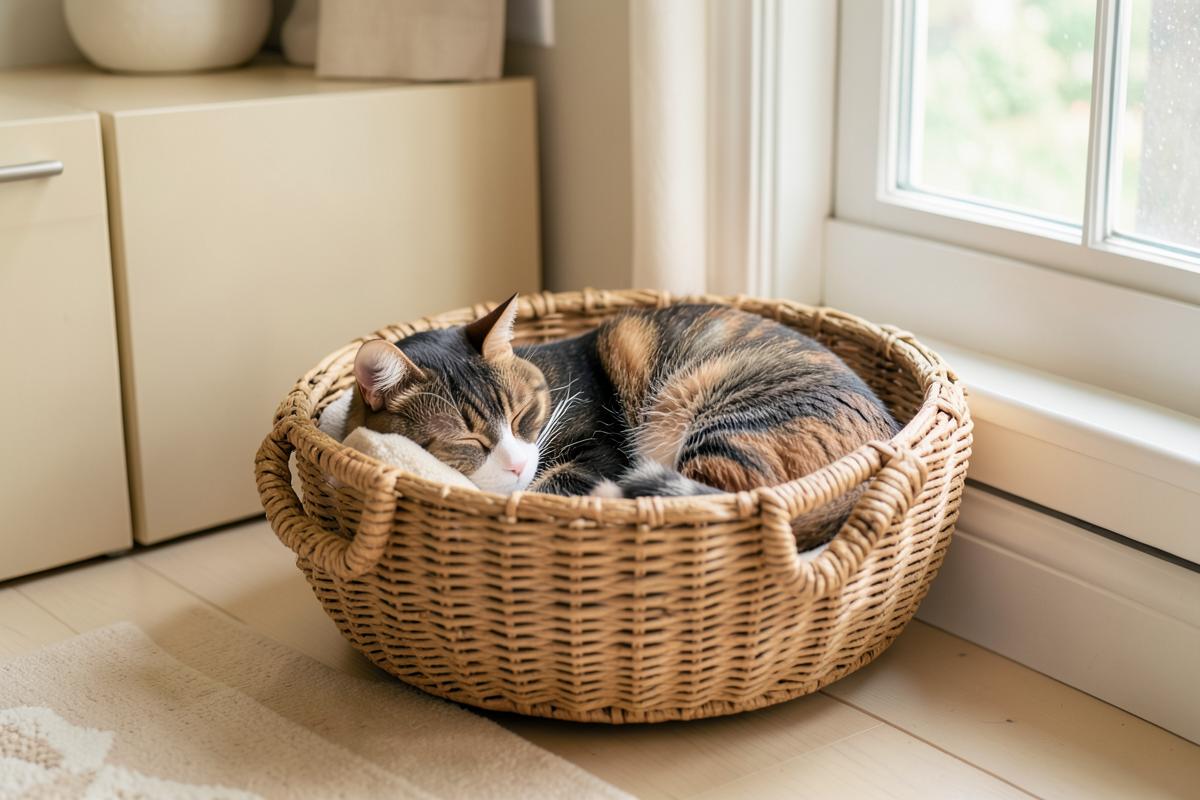
Stress in cats is easy to miss because it usually looks like withdrawal rather than distress. Most triggers indoors are about predictability and control.
Rule out pain first
Over-grooming, aggression and litter box changes all have medical causes as well as behavioural ones. A veterinary examination should come before any behaviour plan.
Increase predictability and choice. Fixed routines, more hiding spots and elevated perches, separated resources so no cat has to pass another to eat, and interactions the cat can end at any time.
Give an exit
A cat that can always leave a situation rarely needs to escalate. Doors propped open and a clear route to a high safe spot prevent more conflict than any product.
If signs persist for more than a couple of weeks after environmental changes, ask your vet for a referral to a qualified feline behaviourist. Anxiety that affects eating, elimination or safety should not be managed by trial and error.
A note on veterinary advice
Health information on this website is for educational purposes and should not replace advice from a qualified veterinarian. If something about your cat has changed, book an appointment rather than waiting to see what happens.
We research, write and update every guide on this site. Our articles are general educational information for cat owners and are reviewed against current guidance from veterinary and feline welfare organisations. Read our editorial policy.
Scratching is maintenance and communication, not spite. Here is how to move it off the sofa and onto something you chose.
7 min read
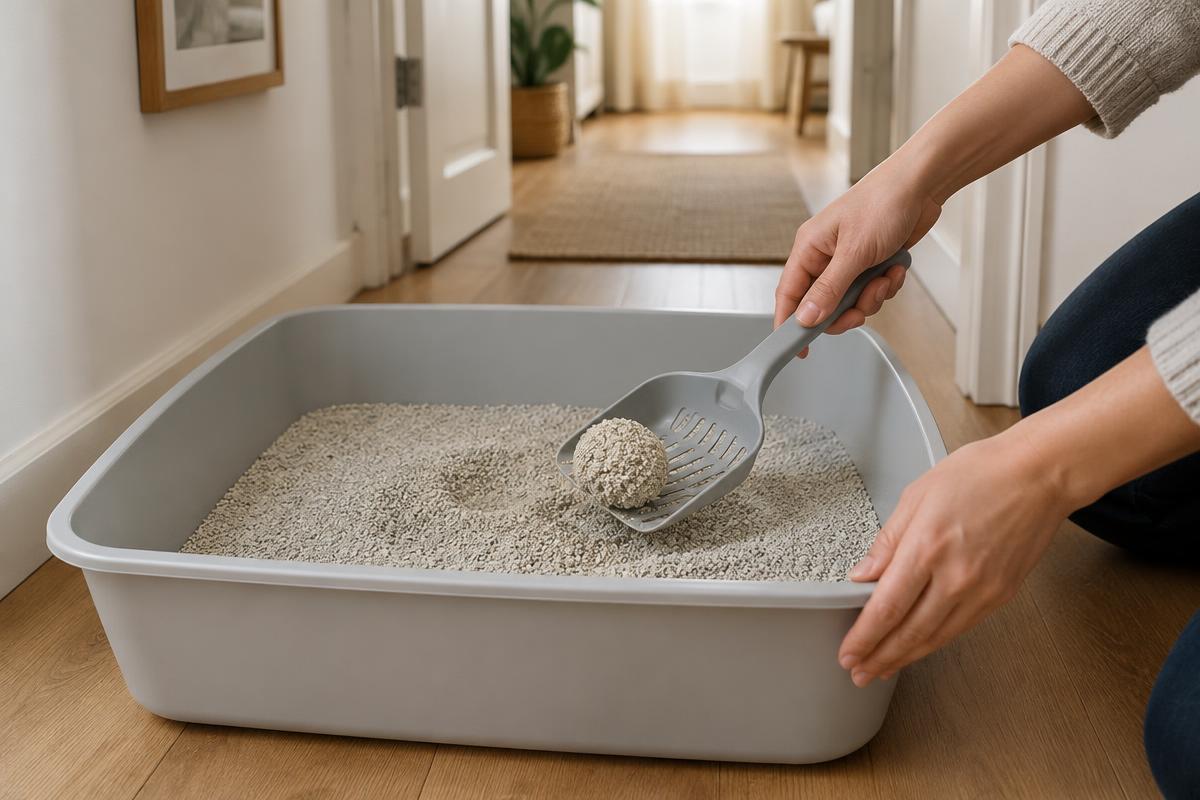
A practical guide to daily scooping, litter changes, full washes, and the signs your cat’s box needs attention sooner.
12 min read
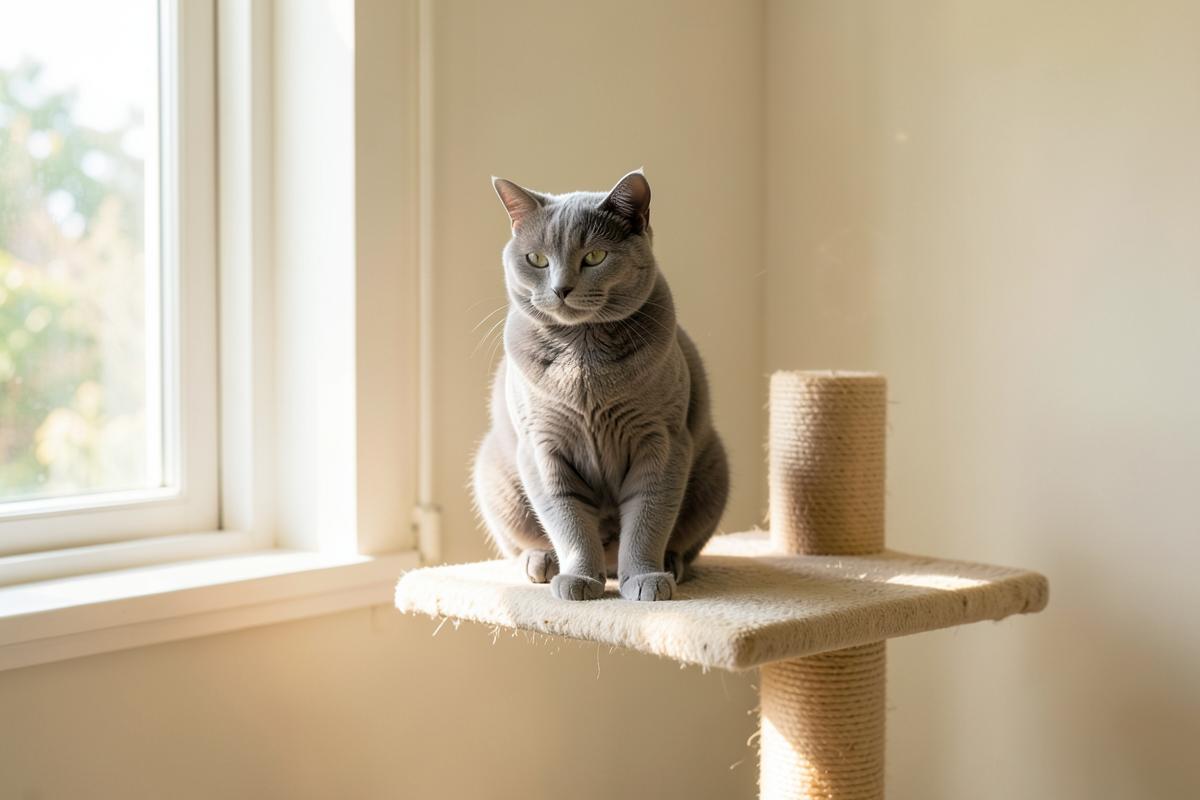
A room-by-room plan for laying out height, hiding places, resources and safe zones — without redecorating your home around a cat.
9 min read
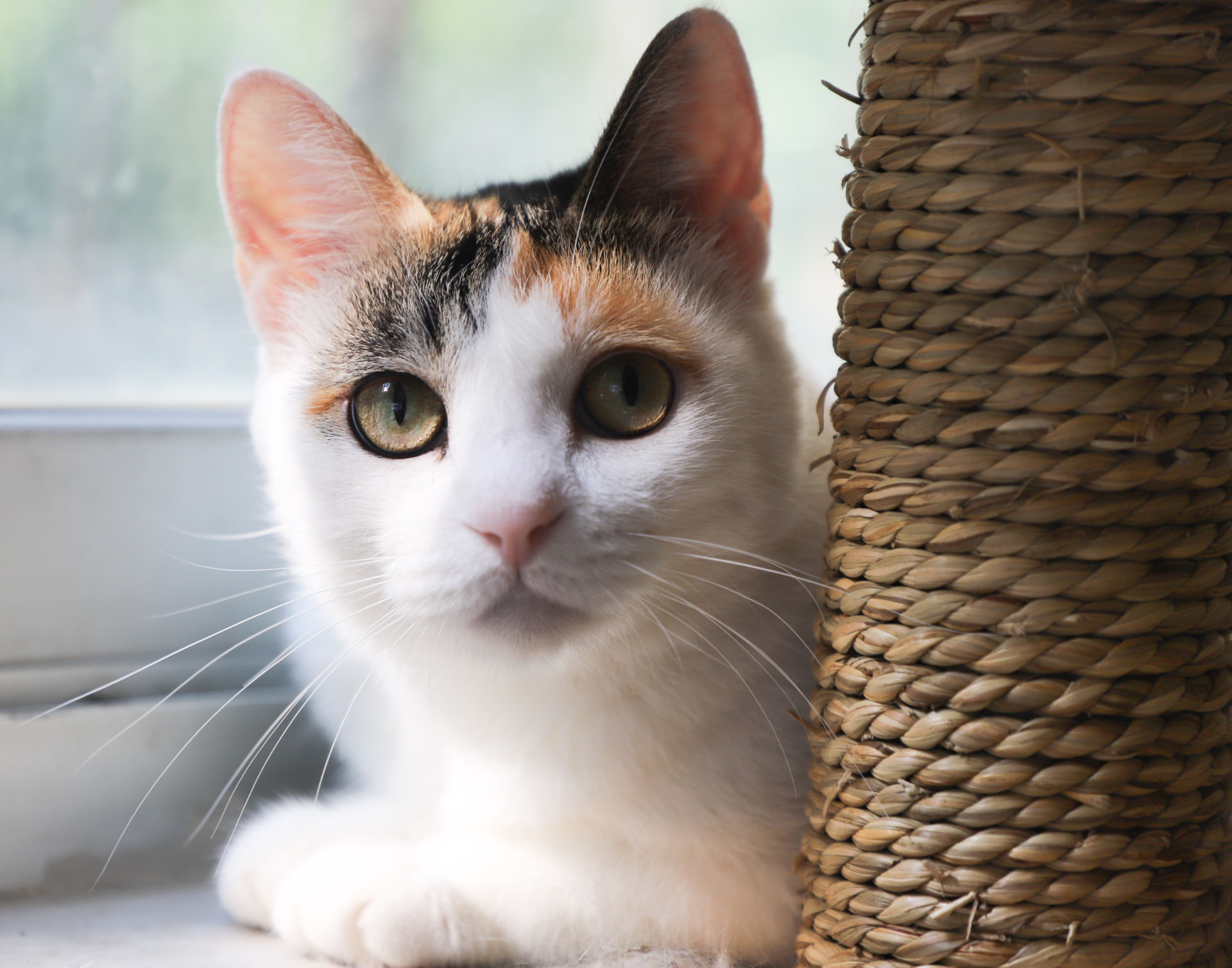
A good indoor life gives cats ways to climb, hide, scratch, stalk, chase, explore, eat and watch—not simply a larger pile of toys.
10 min read
Get practical indoor-cat tips, helpful guides, and product recommendations delivered to your inbox.
A short email now and then. Unsubscribe any time.