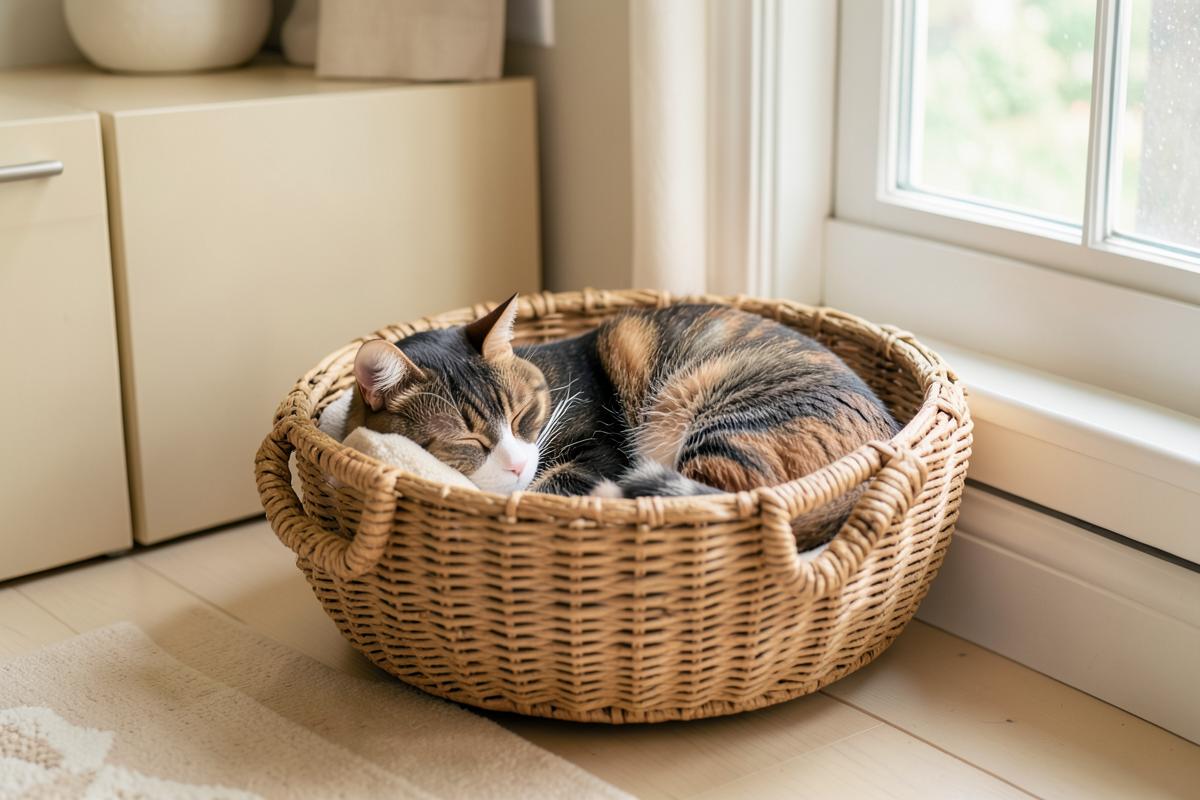
Cat Behavior
Signs of Anxiety in Indoor Cats — and What Helps
Hiding, over-grooming, litter box changes and night vocalising can all be stress signals. Here is how to read them and what to change.
7 min read
Cats scratch to shed nail sheaths, stretch the whole body, and leave visual and scent marks. You cannot stop it, and should not try — the goal is to make your preferred surface the obvious choice.
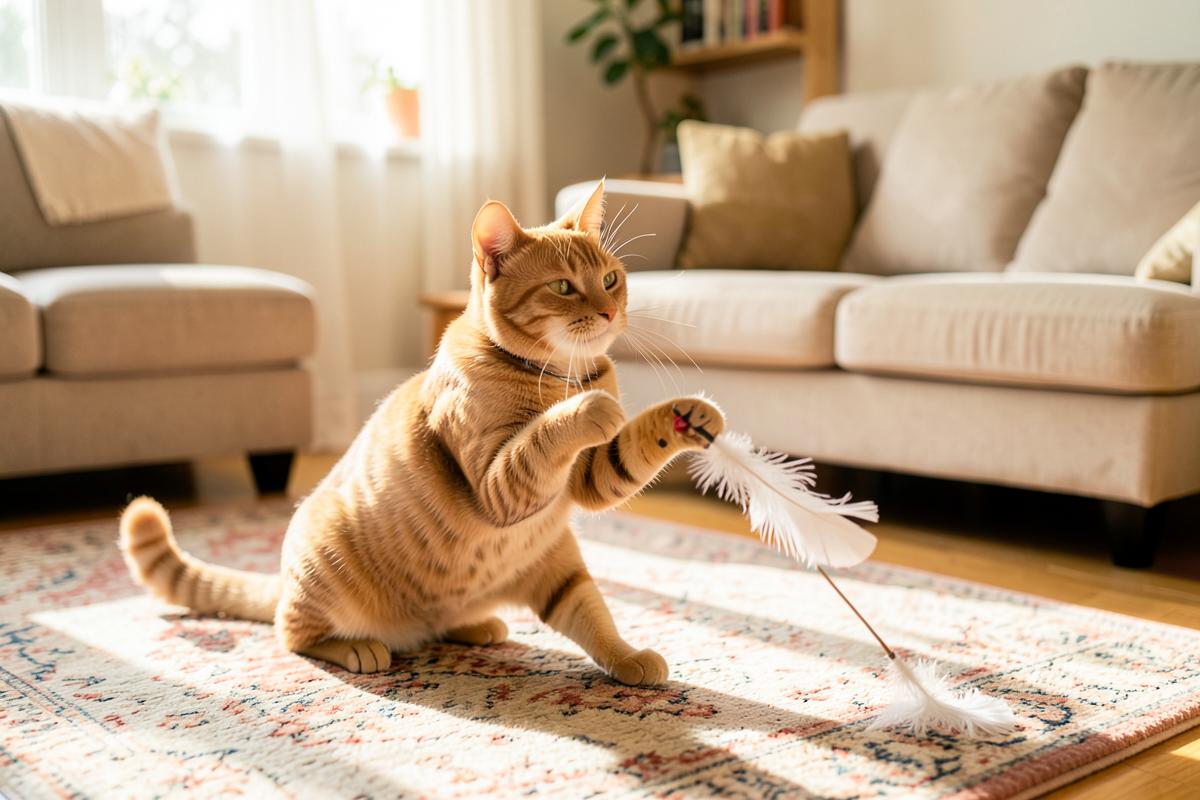
Sofas are tall, stable, textured and in the middle of the household's social space — exactly the specification of a good scratching site. Posts fail when they are short, wobbly or hidden in a spare room.
| Feature | What to look for |
|---|---|
| Height | Taller than the cat's full stretch |
| Stability | Heavy base; no wobble under full weight |
| Material | Sisal rope or sisal fabric; some cats prefer cardboard |
| Orientation | Offer both vertical and horizontal options |
| Placement | Next to the furniture being scratched, then move slowly |
Declawing is not an option
Declawing removes bone, not just claw, and is banned or considered unethical in many countries. Environmental changes and nail trimming address the problem without harming the cat.
We research, write and update every guide on this site. Our articles are general educational information for cat owners and are reviewed against current guidance from veterinary and feline welfare organisations. Read our editorial policy.
Hiding, over-grooming, litter box changes and night vocalising can all be stress signals. Here is how to read them and what to change.
7 min read
Enrichment sorted into five types, so you can see which ones your cat's day is missing rather than buying another toy.
8 min read
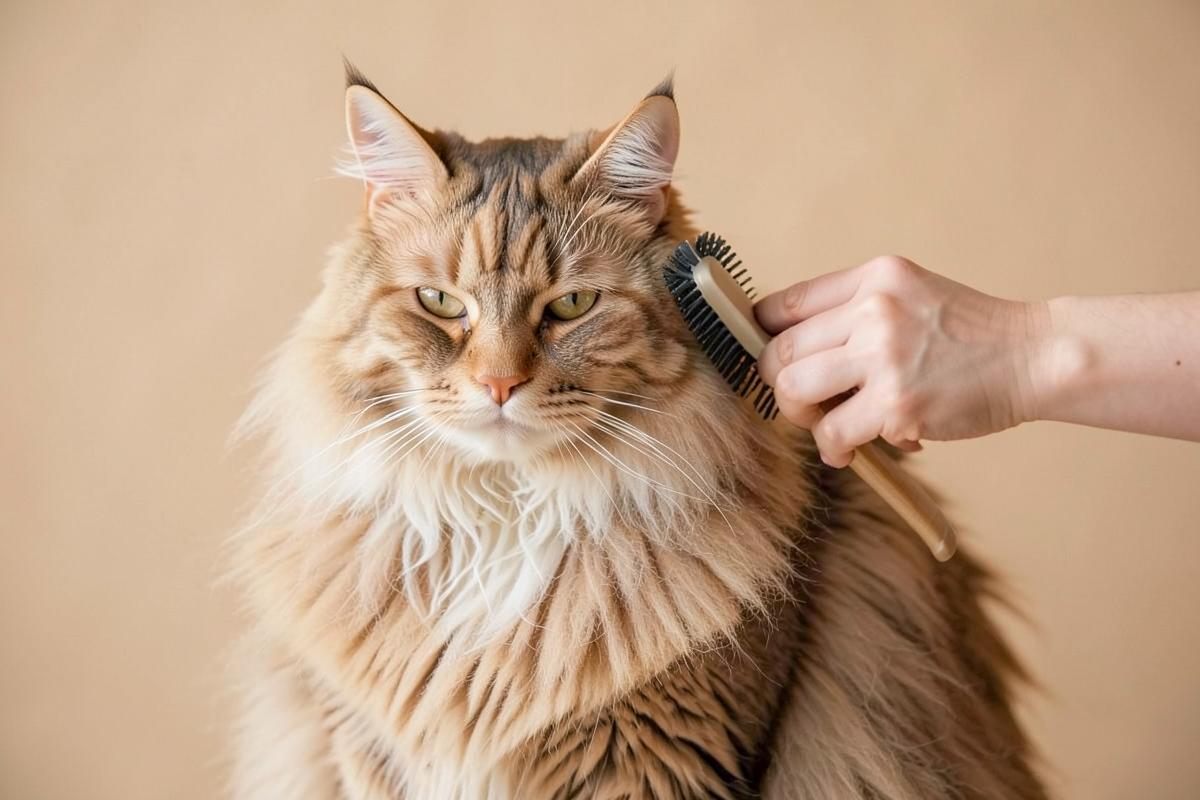
A step-by-step method that keeps the session short and calm, plus what to do if you cut too far.
6 min read
Four cat trees compared on the things that matter after assembly: stability, usable perch space, scratching surfaces, construction, repairability and price.
11 min read
Get practical indoor-cat tips, helpful guides, and product recommendations delivered to your inbox.
A short email now and then. Unsubscribe any time.